فريق الهندسة في «تشينلو» | فريق هندسة المقطورات وتخصيصها | تم التحديث في 14 أغسطس 2026
ينبغي اختيار أبعاد المقطورة القلابة بناءً على كثافة الحمولة، والحمولة الصافية المطلوبة، ومعدات التحميل، وترتيب المحاور، والمساحة المتاحة للانقلاب. ولا يوجد حجم موحد لهيكل المقطورة يناسب جميع العمليات. وينبغي على المشتري مقارنة المساحة القابلة للاستخدام في هيكل المقطورة، والشاسيه، والمساحة المحيطة بالهيكل المرتفع قبل الموافقة على مخطط المشروع.
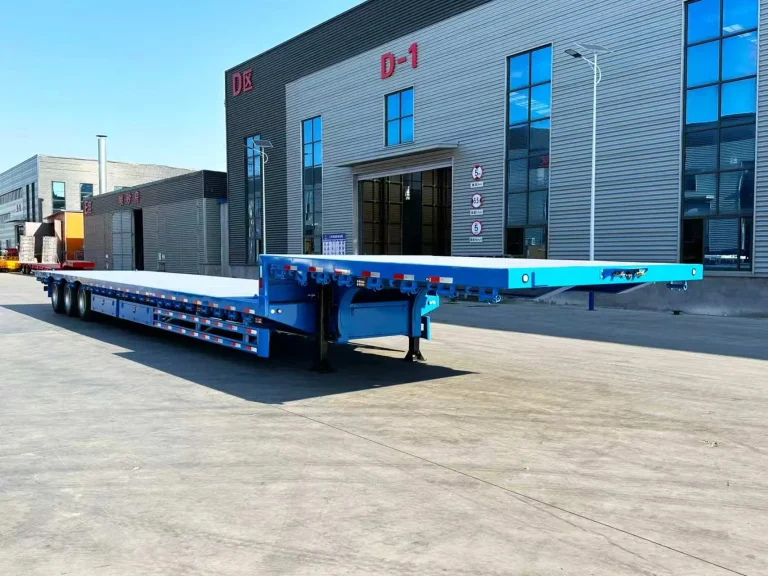
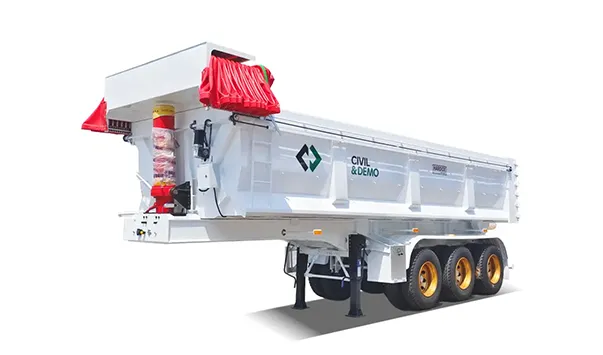
تكوين شاحنة قلابة مخصصة للأعمال الشاقة من مكتبة الوسائط الخاصة بشركة «تشينلو».
نظرة سريعة على أبعاد المقطورة القلابة
لا تقتصر الأبعاد المفيدة على الطول والعرض الإجماليين فحسب. فكل من هيكل المركبة والشاسيه ونطاق الإمالة تؤثر جميعها على عملية الشراء. استخدم الجدول التالي كقائمة مرجعية للرسومات وليس كقائمة بالقيم القياسية العامة.
البعد
ما الذي يجب تسجيله
لماذا يؤثر ذلك على المشروع
الطول الإجمالي
نقطة الهيكل الأمامية إلى الهيكل الثابت الأبعد في الخلف
يؤثر على مساحة الدوران، وطول مجموعة الجرار، وإمكانية الوصول إلى الموقع
الطول الداخلي للجسم
طول التحميل الصافي داخل صندوق الشاحنة القلابة
يستخدم العرض الداخلي وارتفاع الجدار الجانبي لتحديد الحجم الهندسي
العرض الإجمالي والعرض الداخلي
العرض الخارجي الأقصى وعرض التحميل الصافي
يفصل المساحة المخصصة للطريق عن المساحة القابلة للاستخدام لنقل البضائع
ارتفاع الجدار الجانبي
الارتفاع الداخلي من الأرضية إلى القضيب العلوي
يؤثر على الحجم، ومدى التحميل، ومركز الثقل، وسلوك التفريغ
الارتفاع بدون حمولة
أعلى نقطة ثابتة عند إنزال الجسم
المسائل المتعلقة بالبوابات وورش العمل ومحطات التحميل وتطهير الطرق
ارتفاع هيكل السيارة
الارتفاع الأقصى عند زاوية الإمالة المقصودة
يحدد ما إذا كانت الخطوط الهوائية أو الأسطح أو الهياكل تشكل خطرًا
تباعد المحاور
المسافات بين محاور العجلات
يؤثر على الأحمال القانونية على المحاور، وسلوك السيارة عند الانعطاف، وتوزيع الأحمال على الهيكل
الامتداد الخلفي وارتفاع التفريغ
الهيكل الخلفي، انحناء الباب الخلفي، والارتفاع عن الأرض
يحدد ما إذا كان بإمكان المواد المرور عبر الهيكل ومنطقة التفريغ
يصف الحجم المذكور للصندوق المساحة، وليس السعة الاستيعابية القانونية. فقد تصل المواد الكثيفة إلى الحمولة المسموح بها قبل أن يمتلئ الصندوق، في حين أن المواد الأخف وزناً قد تحتاج إلى حجم أكبر. ويُعد هذا التمييز عاملاً أساسياً في أي قرار يتعلق بتحديد حجم المقطورة القلابة.
ابدأ بكثافة الحمولة، لا بحجم الهيكل القياسي
قم بإعداد ورقة بيانات الحمولة قبل اختيار هيكل الشاحنة. حدد نوع المادة، ونطاق كثافتها الظاهرية المتوقعة، وحالة رطوبتها، والحمولة القصوى لكل رحلة، وطريقة التحميل، وموقع التفريغ. فالرمل، والحصى، والفحم، والخامات، والمواد الزراعية، والنفايات لا تفرض جميعها نفس المتطلبات على هيكل شاحنة ذي أبعاد متطابقة.
هذا الحساب ما هو إلا خطوة أولية. ويخضع الحمل المسموح به النهائي لقيود تتضمن التصنيف المعتمد للمقطورة، وسعة المحاور والإطارات، وتكوين الجرار، وقواعد الوجهة، وتوزيع الحمل الفعلي. لا تستخدم السعة الهندسية لتبرير التحميل الزائد.
خطأ شائع في المواصفات
قد يؤدي طلب أكبر صندوق ممكن إلى تقليل السلامة التشغيلية بدلاً من تحسين الإنتاجية. فالجدران الجانبية الأطول ترفع مركز ثقل الحمولة. كما أن الصندوق الطويل يغير توزيع الأحمال الهيكلية ويتطلب مساحة أكبر لعمليات التفريغ. وإذا كانت الحمولة الكثيفة لا تملأ سوى جزء من حجم الصندوق، فإن المساحة غير المستغلة لا تجلب أي فائدة من حيث الحمولة الصافية.
كيفية تحديد أبعاد المقطورة القلابة في 6 خطوات
حدد طبيعة الشحنة. سجل نوع المادة، ونطاق الكثافة الظاهرية، ونسبة الرطوبة، وحجم الجسيمات، وما إذا كانت المادة قد تلتصق أو تتشكل جسورًا أثناء التفريغ.
اضبط الحمولة المسموح بها. تحقق من القواعد المحلية المتعلقة بالوزن الإجمالي المركب وحمولة المحاور، ثم قم بمطابقة الجرار والعجلة الخامسة والإطارات ونظام التعليق ونظام الكبح.
احسب حجم جسم عامل. اقسم كتلة الشحنة المستهدفة على الكثافة المتوقعة واحتفظ بهامش تشغيلي مناسب. لا تعامل الحجم الاسمي على أنه حمولة صافية.
افحص معدات التحميل. قارن ارتفاع قضبان هيكل الشاحنة وعرضها الداخلي مع الشكل الهندسي لجرافة اللودر أو القادوس أو الناقل. ضع في الاعتبار سطح الاقتراب وموضع التحميل.
رسم خريطة لمنطقة الانقلاب. قم بتسجيل ارتفاع الهيكل المرفوع، وزاوية الميل، وحركة الباب الخلفي، وانحدار الأرض، والارتفاع عن الأرض في كل موقع تفريغ.
الموافقة على الرسم بالكامل. التحقق من الأبعاد الإجمالية والداخلية، وموضع مسمار التوجيه الرئيسي، والمسافة بين المحاور، والامتداد الخلفي، وتصميم النظام الهيدروليكي، وكتلة الهيكل، وواجهة التوصيل مع الجرار قبل بدء الإنتاج.
يجب أن تظهر الوحدات ونقاط الإسناد على الرسم. وإلا فإن مصطلح “طول الهيكل” قد يعني، حسب الفرق المختلفة، الطول الداخلي الصافي، أو طول الهيكل الخارجي، أو المحيط الكامل للشاسيه.
تكوينات نصف المقطورة ذات الصندوق القابل للتفريغ من طراز CHENLU
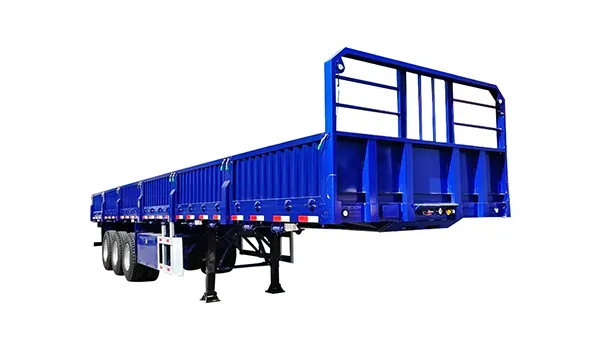
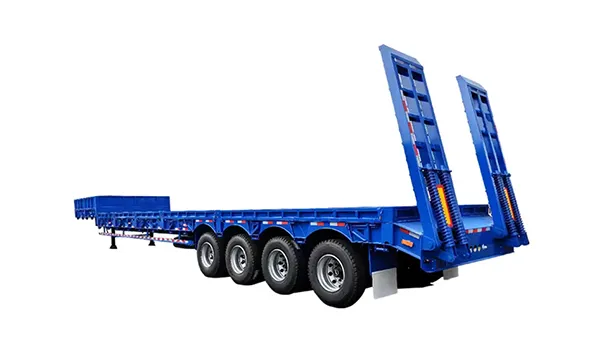
تعرض شركة «تشينلو» علنًا نصف مقطورة ذات ثلاث محاور وقمرة تفريغ خلفية مزودة بنظام رفع هيدروليكي وأرضية وجدران جانبية معززة. وتشمل مجموعة المنتجات أيضًا نموذجًا للخدمة الشاقة مكونًا من أربعة محاور وسعة 80 طنًا، مع خيارات متاحة لنظام التعليق بنوابض أوراقية أو تعليق هوائي. وهذه أمثلة على الهياكل المتاحة، ولا يُقصد بها الإشارة إلى أن مجموعة أبعاد واحدة تناسب جميع أنواع البضائع أو جميع البلدان.
يمكن للمشترين الاطلاع على أحدث مجموعة نصف المقطورات ذات الصندوق القابل للانزلاق من CHENLU. يجب أن تُحدد أبعاد المشروع بناءً على الهيكل المختار، سواء كان من نوع التفريغ الخلفي أو الجانبي أو على شكل حرف U، لأن اتجاه التفريغ يؤثر على مساحة العمل المطلوبة وتقييم الاستقرار.
الهياكل ذات التفريغ الخلفي، والتفريغ الجانبي، والهياكل من النوع U
الهيكل
أولوية الأبعاد
المفاضلة التشغيلية
شاحنة قلابة خلفية
طول الهيكل، والامتداد الخلفي، وارتفاع الباب الخلفي عن الأرض، والارتفاع الإجمالي
يتطلب التفريغ الخلفي المباشر وجود مساحة خالية ومُعدة بشكل مناسب خلف المقطورة
تفريغ جانبي
عرض التفريغ الجانبي، وموضع المفصلة، والخلوص الجانبي
قد يكون التفريغ أسرع في حالة صفوف الحشائش، لكن يجب أن يظل نطاق العمل الجانبي خالياً
شاحنة قلابة من النوع U
المقطع العرضي الداخلي، وارتفاع الجدار الجانبي، ومسار انطلاق المادة
يمكن أن يقلل الهيكل المنحني من الزوايا التي تتراكم فيها المواد، في حين أن عملية التصنيع ومدى ملاءمة الحمولة لا تزالان تتطلبان مراجعة المشروع
بالمقارنة مع قوائم الوكلاء الشائعة التي تقتصر على ذكر الطول والحمولة الاسمية فقط، ينبغي أن تتضمن مواصفات المشتريات المخصصة للتصدير أيضًا الأبعاد الداخلية للهيكل، والمسافة بين المحاور، وارتفاع الهيكل المرتفع، وهندسة الجرار، ومتطلبات الامتثال في بلد المقصد.
مسافة الأمان عند الانقلاب وظروف الأرض
قد تتمكن مقطورة التفريغ من المرور عبر مدخل الموقع، لكنها قد لا تتمكن مع ذلك من إمالة حمولتها بأمان. قم بمعاينة نقطة التفريغ مع رفع هيكل المقطورة بالكامل. ضع في اعتبارك الكابلات العلوية، وعوارض السقف، والناقلات، والأشجار، وتأثير الرياح، والمساحة اللازمة للحفاظ على محاذاة الجرار.
كما أن حالة الأرض لا تقل أهمية. يجب أن يقف الجرار والمقطورة على سطح صلب ومستوٍ ومناسب للمركبة المحملة. فقد يؤدي الانحدار العرضي، أو عدم استواء سطح الدعم للإطارات، أو التصاق المواد بأحد جانبي هيكل المقطورة إلى زيادة عدم الاستقرار. ويجب أن تسترشد عمليات التفريغ بإجراءات التشغيل وتعليمات الشركة المصنعة للمقطورة؛ فجدول الأبعاد وحده لا يكفي لضمان سلامة الموقع.
يؤثر تخطيط المحاور على الحمولة أكثر من الحمولة نفسها
إن إضافة محور لا يعني تلقائيًا السماح بحمولة قانونية أعلى. يجب مراعاة عدد المحاور والمسافات الفاصلة بينها مع مراعاة الإطار، ونظام التعليق، والمكابح، والإطارات، وحمل مسمار التوجيه، والقيود المفروضة على الوجهة. كما أن الشاسيه ذي الأربعة محاور له مسار انعطاف وسلوك احتكاك للإطارات يختلفان عن الشاسيه ذي الثلاثة محاور.
يرجى تزويد المصنع بمعلومات عن طراز الجرار، وارتفاع وموضع العجلة الخامسة، وترتيب المحور الخلفي، والحمل المقصود للربط. ويجب على المشتري بعد ذلك مراجعة حساب توزيع الحمل في كل من ظروف السير محملًا وظروف التفريغ.
يمكن لهيكل مخصص للمشروع أن يتوافق مع معدات التحميل، ويقلل من الحجم غير المستغل، ويحسن إمكانية الوصول إلى موقع العمل المحدد. كما يتيح للمشتري التحكم في متطلبات الأرضية والجدران الجانبية والباب الخلفي والأنظمة الهيدروليكية.
التخصيص له تكاليفه. فقد يؤدي الطول غير القياسي أو ارتفاع الجدار الجانبي إلى تقييد المسارات، وزيادة الوزن الفارغ، وتغيير الثبات، وتعقيد عملية استبدال قطع الغيار. كما أن تغيير الأبعاد قد يتطلب إجراء تعديلات على الهيكل وموضع الأسطوانة وحمل المحور، بدلاً من الاكتفاء بتعديل بسيط في الهيكل الخارجي.
بيانات أسعار وعروض أسعار المقطورات القلابة
تتراوح الأسعار المعلنة لبعض طرازات مقطورات التفريغ والقلاب من CHENLU بين حوالي 13,500 و17,500 دولار أمريكي. ويُعد هذا النطاق مرجعيًّا وليس عرضًا ثابتًا. يعتمد السعر النهائي على عدد المحاور، والحمولة الصافية، والأبعاد، وهيكل الهيكل، ونظام الرفع الهيدروليكي، ونظام التعليق، والإطارات، ومعدات الكبح، والملحقات، وكمية الطلب، ومتطلبات التسليم.
للحصول على عرض أسعار قابل للمقارنة، يرجى إرسال نفس ورقة الشحنة ومتطلبات الرسومات إلى كل مورد. قد يتجاهل عرض السعر الأقل بعض العناصر، مثل تعزيز هيكل الشاحنة، أو أحد المكونات الهيدروليكية، أو المعدات المطلوبة في الوجهة، أو نطاق الشحن، التي تظهر في عرض آخر.
الأسئلة الشائعة حول أبعاد المقطورات القلابة
ما هي الأبعاد القياسية لمقطورات التفريغ؟
لا توجد أبعاد موحدة للمقطورات شبه المقطورة القلابة المخصصة للأحمال الثقيلة. يعتمد حجم الهيكل على كثافة الحمولة، والحمولة الصافية المسموح بها، وتوزيع المحاور، والجرار، ومعدات التحميل، ومساحة التفريغ، وقواعد الطرق المحلية. يرجى طلب رسم تخطيطي للمشروع يتضمن الأبعاد للحصول على التكوين الدقيق.
كيف أحسب الحجم المطلوب لصندوق الشاحنة القلابة؟
اقسم كتلة الشحنة المستهدفة على الكثافة الظاهرية المتوقعة لتقدير الحجم الهندسي، ثم ضع في الاعتبار هامش التشغيل وسلوك التحميل. تأكد من أن الحمولة المحسوبة لا تتجاوز أي من الحدود الهيكلية أو حدود المحاور أو حدود الإطارات أو الحدود القانونية.
هل المقطورة القلابة ذات الأربعة محاور أفضل دائمًا من النموذج ذي الثلاثة محاور؟
لا. يمكن أن يؤدي التصميم ذو الأربعة محاور إلى توزيع الحمولة بشكل مختلف، لكنه يؤثر أيضًا على سلوك الانعطاف، وتآكل الإطارات، والكتلة الفارغة، والمعاملة التنظيمية. اختر التصميم بناءً على حساب الحمولة وقواعد السوق المقصودة.
ما هو الخلوص الذي يجب التحقق منه قبل إمالة الشاحنة؟
تحقق من الارتفاع الأقصى للجسم المرتفع، وحركة الباب الخلفي، ومساحة التفريغ الخلفية أو الجانبية، ومحاذاة الجرار، والأرض الموجودة أسفل كل محور. ضع في اعتبارك المرافق والهياكل المعلقة، ولا تقتصر على ارتفاع المقطورة أثناء السير فقط.
هل يمكن لشركة «تشينلو» تخصيص أبعاد المقطورات القلابة؟
يدعم نظام CHENLU الأبعاد والتكوينات الخاصة بكل مشروع على حدة. ويتطلب الاستعراض الهندسي بيانات الشحنة، والحمولة المستهدفة، والوجهة، وتفاصيل الجرار، وظروف الطريق والموقع، وطريقة التحميل، وترتيب المحاور المفضل.
طلب رسم تخطيطي للمشروع
يرجى تحديد كثافة الشحنة، والحمولة الصافية، ومعدات التحميل، والمساحة المتاحة في موقع التفريغ، وطراز الجرار، ومتطلبات الوجهة قبل طلب عرض الأسعار. اتصل بشركة CHENLU Trailer مع تقديم تلك التفاصيل للحصول على مخطط تكوين وأبعاد مقطورة تفريغ مخصصة للمشروع.



 14 أغسطس 2026