تتكبد أساطيل نقل الوقود خسائر مالية عندما تحمل المقطورة نفسها وزنًا زائدًا، أو تتعرض للتآكل بسرعة كبيرة، أو لا تستطيع الفصل بين المنتجات المختلفة. وتؤثر هذه المشكلات على كل رحلة. وتعالج مقطورة صهريج الألومنيوم المصممة جيدًا هذه المشكلات من خلال انخفاض الوزن الهيكلي، ومقاومة التآكل، والمقصورات المرنة، وأنظمة نقل السوائل المخصصة للاستخدامات المحددة.
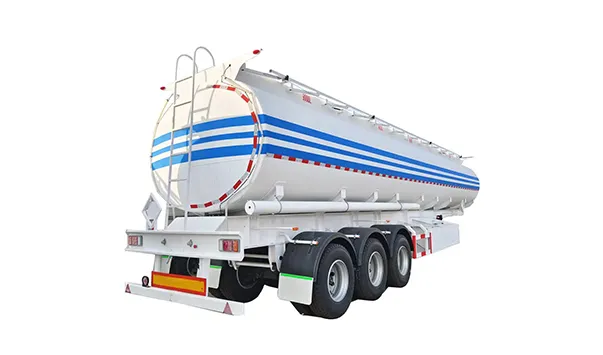
و مقطورة صهريجية من الألومنيوم هي مقطورة شبه مقطورة خفيفة الوزن مزودة بخزان، تُستخدم بشكل أساسي لنقل الوقود والزيت والمنتجات البترولية والسوائل الأخرى المتوافقة معها. وبالمقارنة مع التصميم التقليدي المصنوع من فولاذ الكربون، فإن الألومنيوم يقلل من الوزن الفارغ للمركبة ويقاوم التآكل، مما يساعد أساطيل المركبات على تحسين كفاءة الحمولة الصافية. تشنلو تقدم الشركة حاليًا طرازًا بسعة 40,000 لتر يتميز بهيكل متعدد الأجزاء، مع خيارات اختيارية تشمل العزل، ونظام استرداد البخار، وأنظمة الضخ.

مخطط المقال
- لماذا تزداد أهمية مقطورات صهاريج الألمنيوم في نقل السوائل؟
- ما الذي يميز خزان الألومنيوم عن خزان الفولاذ؟
- كيف تدعم ناقلة ذات مقصورات متعددة العمليات النفطية؟
- ما الدور الذي يلعبه حجم الخزان في كفاءة الأسطول؟
- كيف تؤثر خيارات المضخات واستعادة البخار والعزل على العمليات اليومية؟
- ما هي السوائل التي يمكن نقلها في صهريج من الألومنيوم، وأيها تتطلب مقطورة أخرى؟
- كيف تؤثر لائحة DOT-407 وغيرها من اللوائح المتعلقة بصهاريج النقل على المشاريع الدولية؟
- لماذا تعتبر جودة التصنيع عاملاً مهمًا بالنسبة لمقطورة خزان الألمنيوم؟
- كيف يمكن أن يدعم التخصيص وفقًا لمعايير الشركات المصنعة للمعدات الأصلية (OEM) مختلف أنواع الطرق وأساطيل المركبات التي تعمل بالوقود؟
- ما الذي يوضحه مشروع ناقلة الألمنيوم الأفريقية لشركة «تشينلو»؟
- الأسئلة الشائعة
لماذا تُعد مقطورات صهاريج الألومنيوم مهمة في مجال نقل السوائل في العصر الحديث؟
يبدو توزيع الوقود أمرًا بسيطًا من الخارج. يتم تحميل المنتج، ثم التوجه إلى العميل، وتفريغ الحمولة، ثم العودة. لكن في الواقع العملي، تعتمد الجدوى الاقتصادية لكل رحلة على وزن المركبة، والحدود القانونية للمحاور، ومسافة المسار، ونوع الحمولة، ووقت التوقف عن العمل، والصيانة، وكفاءة التفريغ.
وهنا يأتي دور مقطورة صهريجية من الألومنيوم وهنا يصبح الأمر مثيرًا للاهتمام. تتميز الألومنيوم بكثافة أقل من الفولاذ، لذا فهي تتيح للمصنعين إمكانية بناء هياكل لنقل السوائل بوزن فارغ أقل عندما يسمح التصميم الهندسي بذلك. وتركز شركة «تشينلو» في طرازها الحالي المصنوع من الألومنيوم على البناء خفيف الوزن، ومقاومة التآكل، وتحقيق كفاءة أفضل في نسبة الحمولة إلى الوزن.
بالنسبة لأسطول يقوم بمئات عمليات توصيل النفط كل عام، فإن المكاسب الصغيرة في الكفاءة يمكن أن تكون ذات أهمية. فقد تسمح المقطورة الأخف وزنًا باستخدام جزء أكبر من الوزن الإجمالي المسموح به للمركبة لنقل السوائل القابلة للبيع بدلاً من الوزن الفارغ للمركبة. ولا تزال النتيجة الفعلية تعتمد على الجرار، والمسار، وقواعد المحاور، وظروف التشغيل، والتكوين النهائي.
ولهذا السبب غالبًا ما يُنظر إلى مقطورات صهاريج الألمنيوم كخيار مناسب لتوزيع الوقود، والنقل لمسافات طويلة، وعمليات الأساطيل التي تهم فيها كفاءة الوزن. والسؤال التجاري هنا لا يقتصر ببساطة على: “هل الألمنيوم أخف وزنًا؟”

ما الذي يميز خزان الألومنيوم عن خزان الكربون أو الفولاذ المقاوم للصدأ؟
يؤثر اختيار المواد على طريقة تصميم الناقلة وتصنيعها وتشغيلها وصيانتها.
يمكن أن يوفر الخزان التقليدي المصنوع من الفولاذ الكربوني هيكلاً متيناً وفعالاً من حيث التكلفة. ويمكن اختيار الفولاذ المقاوم للصدأ عندما تقتضي ذلك متطلبات التوافق مع البضائع أو النظافة أو مقاومة التآكل. و الألومنيوم يأخذ الخزان مسارًا آخر: حيث تصبح الكثافة المنخفضة ومقاومة التآكل الطبيعية من المزايا التصميمية الرئيسية.
تشنلو‘يستفيد التوجيه التسويقي الحالي للشركة من هذه المزايا لتمييز صهريجها المصنوع من الألومنيوم عن مجموعة صهاريج الوقود الفولاذية التي تنتجها. وتشير صفحة المنتج سعة 40,000 لتر الخاصة بالشركة بشكل محدد إلى أن هذا المنتج هو نموذج مصنوع من الألومنيوم، وتسلط الضوء على خفة وزنه.
| اتجاه مادة الخزان |
أهم مخاوف المشترين |
عامل اتخاذ القرار النموذجي |
| الألومنيوم |
وزن فارغ أقل ومقاومة للتآكل |
كفاءة الحمولة والتوافق مع السوائل |
| الفولاذ الكربوني |
الاقتصاد الهيكلي وأساليب الإصلاح المتبعة |
تكلفة الشراء وبيئة التشغيل |
| الفولاذ المقاوم للصدأ |
متطلبات مقاومة التآكل والنظافة |
التوافق مع أنواع الشحنات المحددة |
وهذا لا يعني أن إحدى المواد تتفوق بشكل عام على غيرها.
قد تختلف احتياجات أسطول ينقل البنزين عن احتياجات أسطول ينقل مادة كيميائية صناعية شديدة التآكل. وقد تتطلب العمليات المتعلقة بالمنتجات الغذائية إجراءات رقابة صحية لا علاقة لها بتوزيع النفط العادي. وقد تتطلب مقطورة صهريجية لنقل الأحماض مادة أو بطانة معينة. ويجب أن تتناسب المادة المناسبة مع السائل المنقول.
هناك أيضًا نقطة مهمة تتعلق بجودة البيانات في الصفحة الحالية الخاصة بـ «CHENLU». فالعنوان والجزء التمهيدي يحددان بوضوح أن المنتج هو الألومنيوم، لكن نموذج المواصفات الموجود أسفل الصفحة يتضمن معلومات عن فولاذ Q235. وتتعارض قيم فولاذ Q235 هذه مع هوية المنتج، ولا ينبغي اعتبارها مواصفات مؤكدة للألومنيوم.
ولهذا السبب، يجب التأكد من نوع سبائك الألومنيوم المحدد، وسماكة الغلاف، وسماكة الأطراف، والوزن الفارغ، والتفاصيل الهيكلية في ورقة المواصفات الفنية النهائية.
كيف تدعم مقطورة صهريجية متعددة الأجزاء العمليات النفطية؟
قد يضطر موزع الوقود إلى توصيل أكثر من منتج واحد على نفس المسار. فقد تحتاج محطة الوقود أو أحد العملاء الصناعيين أو المستودع الإقليمي إلى البنزين والديزل بكميات مختلفة.
يمكن للناقلة متعددة الأجزاء فصل المنتجات المتوافقة داخل خزان واحد. تشنلو‘يُبرز وصف المنتج الحالي بسعة 40,000 لتر بشكل خاص هيكله المستقل متعدد الأقسام كوسيلة لنقل مختلف المنتجات النفطية بمرونة أكبر.
ويمكن أن يدعم ذلك عدة أهداف تشغيلية:
- فصل المنتجات المختلفة في رحلة توصيل واحدة
- خدمة عدة عملاء على طول مسار واحد
- تقليل المسافات المقطوعة ذهابًا وإيابًا دون داعٍ
- تخطيط الأحمال وفقًا لكميات التسليم المختلفة
- تعزيز المرونة لموزعي النفط
لا يزال من الضروري تصميم التخطيط الداخلي وفقًا للحمولة الفعلية وقواعد التشغيل القانونية. ويؤثر حجم المقصورات على توزيع الوزن. كما يمكن أن يؤدي تسلسل عمليات التحميل والتفريغ إلى تغيير أحمال المحاور مع إفراغ الأقسام الفردية.
ولهذا السبب، لا ينبغي تصميم ناقلة النفط بناءً على الحجم الإجمالي فقط. بل يتعين على المهندسين أيضًا فهم ما يلي:
- أنواع المنتجات
- كثافة كل سائل
- تسلسل التسليم
- العدد المطلوب من الحجرات
- متطلبات التحميل من الأسفل أو التحميل من الأعلى
- احتياجات الضخ
- متطلبات التحكم في البخار
- القواعد المحلية المتعلقة بالمحاور
أثناء عمليات التحميل والتفريغ، يحتاج المشغل أيضًا إلى صمامات ونقاط وصول وخراطيم وأجهزة تحكم مرتبة بشكل واضح، بالإضافة إلى إجراءات السلامة المناسبة للشحنة.
تشنلو تشير القائمة إلى أن التصميم متعدد المقصورات يمثل اتجاهًا مؤكدًا في الميزات، لكن العدد الدقيق للمقصورات في الطراز الحالي المصنوع من الألومنيوم يظل متوقفًا على كل مشروع على حدة.

لماذا يُعد حجم الخزان عاملاً مهمًا في كفاءة الأسطول؟
تشنلو‘يتم تقديم المنتج الحالي للشركة على شكل صهريج من الألومنيوم بسعة 40,000 لتر. ويوفر ذلك لمشغلي الأساطيل معيارًا مرجعيًّا واضحًا لتوزيع الوقود والزيوت بكميات كبيرة.
لا يعني وجود صهريج أكبر حجمًا بالضرورة تحقيق أرباح أعلى. فالحمولة الصالحة للاستخدام تعتمد أيضًا على كثافة المواد، ووزن الجرار، ووزن المقطورة الفارغ، وتوزيع الأحمال على المحاور، وقوانين المرور، والوزن الإجمالي المسموح به للمركبة.
قد تفضل أسطول يعمل في ظل قواعد صارمة تتعلق بالوزن استخدام هيكل من الألومنيوم أخف وزناً، لأن ذلك يتيح تخصيص جزء أكبر من الحد الأقصى المسموح به للوزن للسوائل.
وهذا أحد الأسباب التي تجعل الألومنيوم خيارًا جذابًا في توزيع الوقود عالي التردد.
قد يبحث المشترون في الأسواق التي تستخدم الغالون كوحدة قياس عن مصطلحات مثل «صهريج سعة 9000 غالون»، في حين تستخدم مناطق أخرى وحدة اللتر. وتصف هذه الوحدات الحجم، لكنها لا تحل محل الحساب القانوني الكامل للوزن.
وينطبق المبدأ نفسه على التصميم ثلاثي المحاور. وقد تكون المحاور الثلاثة مناسبة للعديد من العمليات، لكن عدد المحاور يجب أن يتوافق مع اللوائح المحلية والتصميم النهائي للمركبة. تشنلو‘لا تؤكد الصفحة العامة الحالية الخاصة بالألمنيوم بشكل موثوق الترتيب الدقيق للمحاور، لأن جدول المعلمات السفلي الخاص بها مشترك مع نموذج فولاذي يتعارض معه.
لذا، فإن الأرقام المهمة لا تقتصر على اللترات أو الجالونات فحسب. بل تشمل أيضًا:
حجم الخزان + الوزن الفارغ + توزيع الحمولة على المحاور + وزن الجرار + الوزن الإجمالي المسموح به
وتحدد هذه القيم مجتمعةً **القدرة** العملية لمجموعة وسائل النقل.
كيف تؤثر خيارات المضخات وأنظمة استرداد البخار والعزل على مقطورة الخزان؟
إن مركبة توصيل الوقود الحديثة هي أكثر من مجرد وعاء ملحوم.
تحدد الأنظمة المحيطة كيفية دخول السائل وخروجه وسلوكه أثناء التشغيل اليومي.
تحدد شركة «تشينلو» على وجه التحديد ثلاثة خيارات لتصميم نموذجها المصنوع من الألومنيوم بسعة 40,000 لتر:
- العزل
- نظام استرداد أبخرة النفط
- وحدة الضخ
قد يكون نظام الضخ ضروريًّا عندما لا يمكن الاعتماد على التصريف بالجاذبية في الوجهة المقصودة، أو عندما يتطلب الأمر نقل السوائل بطريقة محكومة.
يُعد استرداد الأبخرة أمرًا ذا صلة ببعض عمليات الوقود لأنه يتولى معالجة الأبخرة المتطايرة أثناء عملية النقل. وترتبط المتطلبات التنظيمية الدقيقة بالسوق المستهدفة والمنتج المعني، لذا يجب اختيار نظام استرداد الأبخرة الاختياري وفقًا للمعايير المحلية، بدلاً من اعتباره ميزة عامة.
يختلف الغرض من العزل. فهناك بعض السوائل التي تتطلب تحكمًا أكثر دقة في درجة الحرارة مقارنةً بتوزيع الديزل أو البنزين العادي.
وهذا هو المكان الذي تبدأ فيه فئات المنتجات في التمايز أيضًا.
تعمل صهاريج نقل الإسفلت في ظل متطلبات شحن ومتطلبات حرارية مختلفة تمامًا. فقد لا تحتاج مقطورة صهريج نقل النفط المخصصة للمنتجات المكررة العادية إلى نفس نظام التسخين أو العزل. كما أن الناقلة المصممة لنقل النفط الخام قد تواجه ظروف تحميل مختلفة تمامًا.
لذلك، فإن مصطلح “ناقلة سوائل” يشمل العديد من المنتجات، لكن هذا لا يعني أنها تتشارك في مواصفات واحدة.
بالنسبة للمنتج الحالي لشركة «تشينلو»، ينبغي وصف المضخة والعزل ونظام استرداد البخار على أنها أنظمة اختيارية، وليست معدات قياسية إلزامية.
ما هي السوائل التي تناسب صهريج الألومنيوم، وأيها تتطلب مقطورة أخرى؟
هذا هو أحد أهم الفروق في محتوى الناقلات.
تركز شركة «تشينلو» حاليًا منتجاتها من الألومنيوم بشكل أساسي على الوقود والزيت والمواد السائلة الأخرى المتوافقة. كما يتناول كتالوجها الأوسع نطاقًا للمنتجات السائلة والمسحوقية منتجات الألومنيوم المستخدمة في سياقات النقل المتعلقة بالوقود والمواد الكيميائية والمواد الغذائية.
ومع ذلك، ينبغي دائمًا التأكد من توافق البضائع على أساس كل حالة على حدة.
التوجيهات الشائعة المتعلقة بالنفط
- البنزين
- ديزل
- الكيروسين
- منتجات بترولية مختارة
- المنتجات الزيتية المتوافقة
قد تحتوي ناقلة الوقود المستخدمة لنقل عدة أنواع من الوقود المكرر على أقسام داخلية منفصلة لمنع اختلاطها.
قد تحتاج مقطورة ناقلة الوقود التي تنقل شحنة قابلة للاشتعال أيضًا إلى صمامات محددة، وأنظمة التحكم في الأبخرة، وأنظمة الطوارئ، وملصقات، وعمليات فحص، وموافقات قانونية في سوق الوجهة.
المنتجات التي لا ينبغي اعتبارها متوافقة تلقائيًا
لا تعتبر ناقلة النفط تلقائيًّا:
- مقطورة صهريج حمض
- صهريج مخصص للأغذية
- ناقلة غاز البترول المسال
- ناقلة الأسفلت
- خزان هوائي
- سفينة شحن الأسمنت السائبة
- مقطورة لنقل البضائع السائبة الجافة
هذه تطبيقات تختلف اختلافًا جوهريًّا.
فالغاز المسال (LPG)، على سبيل المثال، يندرج ضمن فئة معدات الغاز المضغوط ولا ينبغي تصنيفه ضمن فئة خزانات الوقود السائل العادية. أما **الأسمنت** فيستخدم نظام التفريغ الهوائي للمواد السائبة الجافة بدلاً من نظام المضخات السائلة. وقد تتطلب وحدة الأسفلت نظامًا لإدارة الحرارة.
وبالمثل، يتطلب نقل المواد الغذائية اتخاذ إجراءات صحية وإجراءات لمكافحة التلوث خاصة بكل شحنة على حدة.
حتى عبارة “ناقلة نفط خام من الألومنيوم” تحتاج إلى مراجعة من حيث التصميم. فمصطلح «الألومنيوم» يشير إلى نوع المادة المستخدمة، في حين أن خصائص حمولة النفط الخام واللوائح التنظيمية هي التي تحدد ما إذا كان هذا التصميم مناسبًا أم لا.
أفضل الممارسات الهندسية بسيطة: حدد نوع السائل بدقة أولاً. ثم صمم الخزان ثانيًا.
ماذا تعني مصطلحات DOT-407 و406 و«خزان غير مطابق للمواصفات» للمشترين الدوليين؟
غالبًا ما يصادف المشترون الدوليون مصطلحات أمريكية مثل DOT-407 وDOT 406 و«خزانات مطابقة للمعايير» و«معدات غير مطابقة للمعايير» عند البحث عبر الإنترنت.
تصف هذه المصطلحات المواصفات التنظيمية أو التصنيفات السوقية. ولا ينبغي استخدامها كعبارات تسويقية عابرة.
بموجب القواعد الأمريكية المتعلقة بالمواد الخطرة، تخضع المركبات ذات صهاريج الشحن المصنفة وفقًا لمعيار DOT 407 لمتطلبات اتحادية محددة فيما يتعلق بالتصميم والتصنيع بموجب المادة 49 CFR §178.347، بالإضافة إلى المتطلبات العامة الخاصة بصهاريج الشحن. كما تتناول هذه اللائحة مجالات مثل المواد، وفتحات التفتيش، وتخفيف الضغط، والاختبار.
يتم تناول الاختبارات والفحوصات الدورية لخزانات الشحن المطابقة للمواصفات بشكل منفصل بموجب المادة 49 CFR §180.407.
وهذا أمر مهم لأن كون المنتج عبارة عن مقطورة خزان من الألومنيوم لا يعني تلقائيًا أنه متوافق مع معيار DOT-407.
وبالمثل، فإن مصطلح «صهريج غير مطابق للمواصفات» أو «مقطورة غير مطابقة للمواصفات» لا يشير إلى تصميم واحد موحد. يتعين على المشترين أن يفهموا بالضبط أي لائحة محلية تنطبق في حالتهم.
فيما يتعلق بمشروع أسطول دولي، ينبغي أن تشمل مناقشات الامتثال ما يلي:
- بلد المقصد
- تصنيف البضائع
- قواعد المواد الخطرة
- المواصفات المطلوبة للخزان
- توافق المواد
- متطلبات الضغط
- متطلبات الصمامات والمخارج
- أنظمة الطوارئ
- التفتيش والاعتماد
- قواعد التسجيل والوزن المسموح به على الطرق
لا تؤكد الصفحة العامة الحالية لشركة «تشينلو» الخاصة بالألمنيوم سعة 40,000 لتر بشكل مستقل حصولها على شهادة DOT-407، لذا يجب اعتبار هذا الامتثال «قيد التأكيد» بالنسبة لأي طلب محدد.
لماذا تُعد جودة التصنيع عاملاً بالغ الأهمية بالنسبة لمقطورة صهريج الألمنيوم؟
تقضي صهريج الشحن حياتها التشغيلية في ظل التعرض المتكرر لاهتزازات الطريق، وقوى الكبح، وحركة السوائل، ودورات التحميل، والتعرض للعوامل الجوية.
وهذا يجعل اتساق عملية التصنيع أمرًا ضروريًا.
تشنلو تصف عملية موحدة من سبع مراحل خاصة بمقطوراتها:
1. تحضير المواد
2. اللحام بالشعاع الرئيسي
3. تجميع الإطار
4. معالجة الأسطح
5. الرسم
6. التجميع النهائي
7. الفحص والاختبار.
كما يشمل نظام الجودة العام للشركة فحص المواد الواردة، وفحص اللحامات الحرجة، وفحص المحاور ونظام التعليق، وفحص نظام الفرامل، واختبار الأنظمة الكهربائية والهوائية، والفحص النهائي قبل التسليم.
فيما يتعلق بصهاريج الألومنيوم، يستحق التحكم في عملية اللحام اهتمامًا خاصًا. يجب أن تتوافق المواد وعملية اللحام مع التصميم المعتمد، وينبغي أن يعمل فريق الإنتاج استنادًا إلى الرسومات المؤكدة بدلاً من استخدام نموذج عام للصهاريج.
المتانة لا تنبع من المادة وحدها.
كما يعتمد متانة الصهريج على:
- التصميم الإنشائي
- اتساق اللحام
- دعامات الخزان
- محاذاة الشاسيه
- نظام الدفع
- تركيب الصمامات
- دعامة الأنابيب
- الفحص النهائي
تعد المقاومة الجيدة للتآكل ميزة قيّمة، لكن سوء التصنيع قد يقضي على هذه الميزة.
ولهذا السبب، غالبًا ما يطلب مشترو الأساطيل الجادون صورًا ومقاطع فيديو عن عملية الإنتاج، وورقات المواصفات، ومعلومات الفحص النهائي قبل الشحن. وتؤكد شركة «تشينلو» أنها قادرة على توفير تحديثات حول عملية الإنتاج، كما أنها تجري الفحص النهائي واختبارات التشغيل قبل التصدير.
كيف يدعم التخصيص وفقًا لمعايير المصنع (OEM) احتياجات النقل المختلفة؟
لا يمكن أن يناسب تصميم ناقلة واحدة احتياجات جميع البلدان.
تعمل أساطيل نقل الوقود على طرق مختلفة، باستخدام جرارات مختلفة، وأحمال محورية قانونية متنوعة، وشبكات صيانة متنوعة، ودرجات حرارة متنوعة، وظروف موانئ متنوعة، وممارسات تسليم متنوعة.
بصفتنا شركة متخصصة في تصنيع المقطورات في الصين،, تشنلو تستخدم الشركة عملية تصنيع المعدات الأصلية (OEM) / تصميم وتصنيع المنتجات حسب الطلب (ODM) التي تبدأ بالمتطلبات الفعلية للنقل. وتطلب الشركة من المشترين تحديد نوع البضائع، والحمولة المستهدفة، واللوائح المحلية، وحالة الطرق، والمعدات المفضلة قبل أن توصي بتكوين معين.
فيما يتعلق بمشروع ناقلة من الألومنيوم، قد تشمل احتياجات النقل الفعلية ما يلي:
- حجم الخزان المطلوب
- عدد منتجات الوقود
- حالة الطريق
- مواصفات الجرار
- متطلبات المحور
- طريقة الضخ
- متطلبات استرداد البخار
- تركيب الخرطوم والصمام
- العلامة التجارية والألوان
- طريقة الشحن
وبذلك يمكن لفريق الهندسة **تخصيص** المشروع وفقًا للمواصفات الفنية المعتمدة، بدلاً من فرض استخدام نفس النوع من الناقلات في كل سوق.
وهذا الأمر مهم للموزعين ومشغلي الأساطيل. فقد يكون توفر قطع الغيار بنفس أهمية تكلفة الشراء الأولية. وتقول شركة ’تشينلو» إنها تراعي توفر المكونات في الأسواق المحلية للعملاء، ويمكنها توريد قطع غيار مثل الصمامات والمصابيح ومكونات الفرامل وغيرها من قطع الغيار المعرضة للتآكل.
بالنسبة لشحنات التصدير، توفر شركة «تشينلو» خيارات الشحن على متن سفن «رو-رو» وسفن البضائع السائبة وسفن الحاويات وسفن «فلات راك»، وذلك وفقًا لنوع المقطورة والوجهة.

لماذا تتضمن نتائج البحث عن مقطورات صهريجية هذا العدد الكبير من العلامات التجارية والمنتجات المختلفة؟
قد يرى المشتري الذي يبحث عن مقطورات صهريجية معروضة للبيع صفحة نتائج متنوعة للغاية.
قد تشمل عمليات البحث أسماءً مثل Polar وHeil وLBT وEtnyre وFruehauf، و
«تريمكار»، إلى جانب المعدات الصينية الجديدة، ومخزون الوكلاء، ومقطورات صهريجية مستعملة عالية الجودة.
لا ينبغي أن تصرف هذه المصطلحات الانتباه عن المهمة الفنية.
فعلى سبيل المثال، قد يعكس البحث عن عبارة “مقطورة صهريجية من طراز Polar” تجربة المشتري السابقة مع العلامة التجارية، بدلاً من المواصفات الدقيقة المطلوبة لأسطول جديد.
وبالمثل، مصطلحات مثل:
- ناقلة من الفولاذ المقاوم للصدأ
- مقطورة صهريج فولاذية
- مقطورات صهاريج النفط
- مقطورة صهريجية للأسفلت
- مقطورة صهريج سوائل
- خزان البضائع السائبة الجافة
- ناقلة نفط خام
- ناقلة غير مخصصة لنقل المواد الكيميائية
تمثل مجموعات منتجات مختلفة ونوايا بحث مختلفة.
قد تؤدي مقارنتها بناءً على الصور أو الحجم المعلن عنه فقط إلى أخطاء جسيمة.
ينبغي أن تركز المقارنة الصحيحة على توافق البضائع، ومواد تصنيع الخزان، والوزن الفارغ، والتصميم الهيكلي، وتخطيط المقصورات، والتكوين القانوني، ونظام التفريغ، ودعم قطع الغيار، والقيمة التشغيلية الإجمالية.
وحدة السوائل المصنوعة من الفولاذ المقاوم للصدأ ليست نفس المنتج الذي تمثله ناقلة النفط المصنوعة من الألومنيوم. ولا تعمل سفينة البضائع السائبة الجافة وفقًا لنفس مبدأ التفريغ. كما أن نظام المسحوق الهوائي لا يؤدي نفس وظيفة مضخة الوقود.
التشابه الدلالي في «جوجل» لا يعني قابلية التبادل الآلي.
ما الذي يظهره مشروع «تشينلو» لإنشاء ناقلة الألمنيوم الأفريقية؟
نشرت شركة «تشينلو» مشروعًا حقيقيًّا يتعلق بمقطورة نصف مقطورة مزودة بخزان من الألومنيوم طلبها أحد العملاء الأفارقة.
تصف الشركة الوحدة المنجزة من خلال ثلاثة محاور رئيسية: البناء خفيف الوزن، ومقاومة التآكل، والقوة الهيكلية. وقد تم إعداد المشروع للتصدير في إطار أنشطة شركة «تشينلو» الدولية في مجال صناعة الناقلات.
تُعد هذه الحالة مفيدة لأنها تؤكد أن شركة «تشينلو» قد أنتجت ناقلة من الألومنيوم لعميل في الخارج، بدلاً من الاكتفاء بعرض المنتج كمجرد نموذج في الكتالوج.
وفي الوقت نفسه، لا تتضمن القضية بيانات تقنية كافية تبرر إضافة تفاصيل غير مدعومة بأدلة.
ولا يؤكد ذلك بوضوح:
- درجة الألومنيوم
- سماكة جدار الخزان
- الحجم الدقيق
- العدد الدقيق للمحاور
- عدد المقصورات
- طراز المضخة
- الشهادة
- التوفير المقيس في استهلاك الوقود
ينبغي أن تظل تلك التفاصيل خاصة بكل مشروع على حدة.
هذا مبدأ مهم في طريقة تواصلنا بشأن منتجاتنا. فنحن نفضل الفصل بين المعلومات المؤكدة الصادرة عن المصنع والتكهنات.
وبالنسبة لمالكي الأساطيل وموزعي المنتجات البترولية وتجار المقطورات ومشتري المشاريع الدولية، فإن ذلك يجعل المناقشات الفنية أكثر فائدة. يمكنكم إخبارنا بالسائل الذي تنقلونه، والمكان الذي تعملون فيه، والجرار الذي تستخدمونه، واللوائح المعمول بها. وبذلك يمكننا وضع التكوين المناسب وفقًا لمتطلبات المشروع الفعلي.
الأسئلة الشائعة
ما هي مقطورة صهريج الألمنيوم؟
مقطورة صهريجية من الألومنيوم هي صهريج لنقل السوائل مصنوع بهيكل خزان من الألومنيوم لتقليل وزن المركبة وتوفير مقاومة للتآكل. وتُستخدم عادةً لنقل الوقود والزيوت والسوائل المتوافقة معها. تقدم شركة CHENLU حاليًا طرازًا بسعة 40,000 لتر مزودًا بقدرة على تقسيم الخزان إلى عدة حجرات، بالإضافة إلى أنظمة اختيارية للمضخات والعزل واستعادة البخار.
هل يُعد الألومنيوم أفضل من الفولاذ الكربوني في نقل النفط؟
لا يمكن القول إن أيًا من هذين النوعين من المواد أفضل تلقائيًّا لكل مشروع. فالألومنيوم يوفر خيارًا خفيف الوزن ومقاومًا للتآكل، في حين أن الفولاذ الكربوني قد يقدم مزايا مختلفة من حيث التكلفة والإصلاح. وينبغي أن يتحدد الاختيار بناءً على توافق الحمولة، والمسار، والوزن المسموح به قانونًا، وشروط الصيانة، وميزانية الشراء.
هل يمكن لشاحنة صهريجية مصنوعة من الألومنيوم أن تنقل البنزين والديزل معًا؟
يمكن للتصميم متعدد الأجزاء فصل السوائل المختلفة المتوافقة مع بعضها. وتروّج شركة «تشينلو» على وجه التحديد لطرازها سعة 40,000 لتر من أجل النقل المرن لمختلف المنتجات النفطية. ويجب أن يتوافق التخطيط الداخلي النهائي مع المنتجات المطلوبة، والقواعد القانونية، وتسلسل التسليم.
هل صهريج CHENLU سعة 40,000 لتر حاصل على شهادة DOT-407؟
لا تؤكد صفحة المنتج العامة الحالية بشكل مستقل حصول المنتج على شهادة DOT-407. وتُعد DOT-407 مواصفة أمريكية خاصة بصهاريج الشحن تتضمن متطلبات اتحادية محددة، لذا يجب التأكد من الامتثال لهذه المواصفات في المشروع المعني تحديدًا، بدلاً من الافتراض بناءً على نوع المنتج.
هل يمكن استخدام صهريج من الألومنيوم لنقل السوائل المخصصة للاستخدام الغذائي؟
من الناحية النظرية، نعم، لكن عبارة “صهريج من الألومنيوم” وحدها لا تثبت ملاءمته للاستخدام الغذائي. فلا بد من التأكد من درجة جودة المادة، والتشطيب الداخلي، والموانع التسرب، والصمامات، وإجراءات التنظيف، ومراقبة التلوث، والمعايير المعمول بها.
ما هي المعلومات التي يجب على أسطول المركبات تقديمها في إطار مشروع صهريج تابع لمصنع المعدات الأصلية؟
تشمل المعلومات المفيدة نوع الشحنة، والحجم المطلوب، وعدد المنتجات، وحالة الطرق، ومواصفات الجرار، والحدود القانونية لمحاور العجلات، وطريقة التفريغ، ومتطلبات المضخات، واحتياجات التحكم في الأبخرة، وبلد المقصد، وكمية الطلب. وتستخدم شركة «تشينلو» هذه المعلومات المتعلقة بالمشروع لتقديم توصيات بشأن الخيارات التقنية المناسبة قبل بدء الإنتاج.



 11 أغسطس 2026