قد تؤدي المقطورة المسطحة غير المطابقة للمهمة المطلوبة إلى تقليل الحمولة الصافية، وإلحاق الضرر بالبضائع، وإثقال المحاور، وخلق مشاكل تتعلق بالتراخيص. وتتزايد هذه المخاطر عندما يقتصر المشترون على مقارنة السعر أو طول سطح التحميل فقط. والنهج الأفضل هو مطابقة هيكل المقطورة، وسعة الحمولة، والأبعاد، ونظام الدفع مع متطلبات مهمة النقل الفعلية.
A مقطورة مسطحة هي وحدة نقل ذات سطح مفتوح تُستخدم لنقل الحاويات، والصلب، والأخشاب، والآلات، ومواد البناء، وغيرها من البضائع. يجب على المشترين مقارنة سعة الحمولة، وتوزيع المحاور، وأبعاد سطح الشحن، ونقاط تثبيت البضائع، ونظام التعليق، والإطارات، والتوافق مع الجرار، واللوائح المحلية قبل الطلب. كما يجب التمييز بين المقطورات التجارية الثقيلة ونماذج المقطورات الأخف وزنًا ذات الرقبة المنحنية، والمقطورات التي تُسحب بواسطة المصد، والمقطورات متعددة الأغراض.

مخطط المقال
- ما هي المقطورة المسطحة؟
- ما الذي يمكن لمقطورة مسطحة أن تنقله؟
- هل تختلف شبه المقطورة عن مقطورة المعدات؟
- كيف يتم حساب الوزن الإجمالي المسموح به للمركبة (GVWR) والحمولة الصافية ومواصفات المحاور؟
- ما هو الطول والعرض المناسبان للسطح المسطح اللذين ينبغي عليك اختيارهما؟
- ما هي معدات التحميل والمنحدرات ووسائل التثبيت التي تكتسب أهمية؟
- كيف يجب أن يتوافق الجرار ووصلة الجر مع المقطورة؟
- ما هي المواد والخصائص الهيكلية التي تعزز المتانة؟
- ما الذي يجب عليك فحصه قبل شراء المقطورات المسطحة المعروضة للبيع؟
- كيف تختار شركة تصنيع المقطورات المسطحة؟
- الأسئلة الشائعة
ما هي المقطورة المسطحة؟
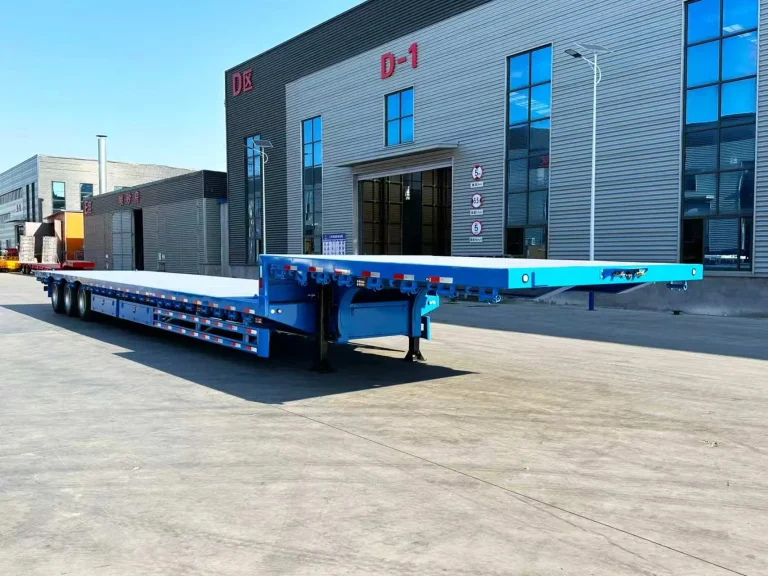
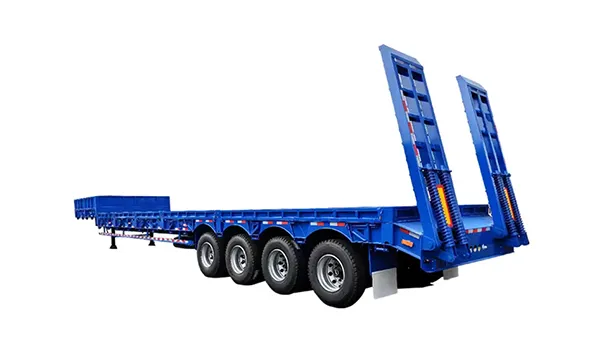
A مقطورة مسطحة تتميز بمنصة تحميل مفتوحة ومستوية، دون سقف ثابت أو جدران جانبية مغلقة بالكامل. ويتيح سطحها البسيط للطاقم الوصول إليها من الخلف أو الجانب أو من الأعلى، مما يجعلها مفيدة لنقل البضائع الكبيرة أو الطويلة أو الثقيلة أو التي يصعب وضعها داخل شاحنة مغلقة.
تتوفر المقطورات المسطحة التجارية بعدة أشكال. فالنصف مقطورة المسطحة التي تجرها شاحنة جرارة تنقل جزءًا من وزنها إلى الشاحنة الجرارة عبر مسمار التثبيت والعجلة الخامسة. أما المقطورة الصغيرة متعددة الأغراض، فيمكن ربطها بشاحنة بيك آب عبر قارنة كروية أو نظام ربط آخر.
قد تبدو هذه الوحدات متشابهة في الصور الفوتوغرافية، لكن هياكلها وحدود تشغيلها تختلف اختلافًا كبيرًا.
قد يشمل الطراز التجاري الثقيل ما يلي:
- عوارض رئيسية عالية القوة
- العوارض المستعرضة الموجودة أسفل سطح السفينة
- مجموعتان أو أكثر من المحاور
- نظام تعليق ميكانيكي أو هوائي
- قاعدة الهبوط
- وصلة «كينغبين» ووصلة «العجلة الخامسة»
- أقفال لولبية للحاويات
- منصة تحميل فولاذية
- صناديق الأدوات وحاملات الإطارات الاحتياطية
- الفرامل الهوائية والأنظمة الكهربائية التجارية
تشنلو’تشمل المجموعة الحالية من الشاحنات ذات المنصة المسطحة من الشركة طرازات بطول 20 قدمًا و40 قدمًا و45 قدمًا، بالإضافة إلى صفحات المنتجات ذات 3 محاور و4 محاور و5 محاور والشاحنات الثقيلة. تُظهر المعلومات المنشورة عن هذه السلسلة أن العوارض الرئيسية مصنوعة من مادة Q345 أو T700، مع توفر نظام تعليق قابل للتخصيص، على الرغم من أنه يجب تأكيد المواصفات النهائية لكل طراز على حدة.
ما الذي يمكن لمقطورة مسطحة أن تنقله؟
توفر الشاحنات ذات المنصة المسطحة مرونة كبيرة في نقل البضائع. وعادةً ما يتم اختيارها عندما لا تتطلب الحمولة هيكلاً مغلقاً دائماً، أو عندما تحتاج الرافعات والرافعات الشوكية إلى وصول مفتوح.
تشمل البضائع النموذجية ما يلي:
- حاويات سعة 20 قدمًا و40 قدمًا
- لفائف الصلب، والأنابيب، والألواح، والمقاطع المعدنية
- الأخشاب ومواد البناء الجاهزة
- المنتجات الصناعية الموضوعة على منصات نقالة
- المعدات الزراعية
- مكونات البناء
- صناديق كبيرة
- مجموعة مختارة من الآلات الثقيلة
- البضائع ذات الحجم الكبير أو غير القياسي
يعتمد اختيار المنصة والإطار المناسبين على حجم الحمولة وشكلها ومركز ثقلها ونقاط الدعم. فالعارضة الفولاذية الطويلة تولد ضغطًا مختلفًا عن الآلة المدمجة التي لها نفس الوزن الإجمالي. ففي إحدى الحمولتين، يتوزع الوزن على كامل مساحة المنصة، بينما في الحالة الأخرى، قد تتركز الأحمال الثقيلة على مساحة صغيرة.
كما أن المنصة المسطحة مفيدة عندما يحتاج طاقم العمل إلى التحميل والتفريغ من اتجاهات متعددة. فقد تدخل رافعة شوكية من الجانب. وقد تنزل رافعة البضائع من الأعلى. وقد يضع جهاز مناولة الحاويات صندوقًا على أقفال لولبية.
ومع ذلك، فإن التحميل المفتوح يعني أيضًا أن البضائع تحتاج إلى تثبيت مناسب، وإلى حماية منفصلة من العوامل الجوية عند الضرورة. يجب على المشترين التأكد من توفر السلاسل، والأشرطة، وأربطة التثبيت، ووسائل التثبيت، والأوتاد، والأقمشة المشمعة، أو أقفال الحاويات المطلوبة.
إن الرقم الكبير للحمولة لا يثبت أنه يمكن وضع كل نوع من أنواع البضائع في أي مكان على سطح السفينة.
عندما نقوم بتصميم شاحنة نقل تجارية، نطلب الحصول على مخطط الحمولة، وتوزيع الوزن، وطريقة التحميل، ومواقع الدعامات — وليس فقط العدد الإجمالي للطن.
هل تختلف المقطورة المسطحة ذات المحورين عن مقطورة نقل المعدات؟
نعم. هذا التمييز مهم لأن مجموعة الكلمات المفتاحية المقدمة تشمل كلاً من المقطورات التجارية ونصف المقطورات الصغيرة المخصصة للطرق.
يتم توصيل نصف المقطورة المخصصة للأحمال الثقيلة بجرار الطريق عبر مسمار التثبيت (kingpin) والعجلة الخامسة (fifth wheel). أما المقطورات المخصصة للمعدات الخفيفة أو المتوسطة، فيمكن أن تستخدم وصلة سحب من المصد (bumper pull) أو وصلة دبوسية (pintle connection) أو وصلة عنق الإوزة (gooseneck hitch) المثبتة في صندوق شاحنة البيك آب.
| الميزة |
نصف مقطورة تجارية مسطحة |
مقطورة لمعدات خفيفة أو متوسطة |
| وحدة السحب |
جرار الطرق |
شاحنة صغيرة أو شاحنة متوسطة الحمولة |
| الوصلة الرئيسية |
المحور الرئيسي والعجلة الخامسة |
قارنة كروية، أو وصلة دبوسية، أو وصلة عنق الإوزة |
| الدعم الأمامي أثناء الوقوف |
قاعدة الهبوط |
جاك |
| نظام المكابح |
الفرامل الهوائية في العديد من الأسواق |
قد تكون المكابح الكهربائية شائعة الاستخدام |
| الاستخدام النموذجي |
الحاويات والشحن التجاري |
الآلات المدمجة وفرص العمل المحلية |
| فئة الوزن |
يعتمد ذلك على متطلبات المشروع واللوائح المحلية |
غالبًا ما يتم تسويقها بوزن إجمالي مسموح به يبلغ 12,000 أو 14,000 رطل |
| الوصول إلى البضائع |
منصة مفتوحة |
منحدرات، أو هيكل متداخل، أو سطح قابل للإمالة |
عادةً ما تظهر مصطلحات مثل «14k» و«12k» و«مقبض السحب» و«الإطار على شكل حرف A» و«وزن اللسان» و«سلاسل الأمان» و«الرفرف» و«الفرامل الكهربائية» و«المنحدرات القابلة للطي» بشكل أكثر تكرارًا في سوق المعدات الخفيفة والمقطورات متعددة الأغراض في أمريكا الشمالية.
في المقابل، يتم اختيار نصف المقطورة التجارية ذات السطح المستوي بناءً على عوامل مثل التوافق مع الجرار، وأحمال المحاور، ونظام الفرامل الهوائية، وموضع مسمار التثبيت، وقوة الهيكل، والوزن القانوني للمجموعة.
كما يجب عدم الخلط بين المقطورة ذات العنق المنحني المخصصة لشاحنات البيك آب والمقطورة المنخفضة ذات العنق المنحني القابل للفصل. فالأولى تستخدم وصلة ربط من نوع «العنق المنحني» في مركبة السحب، أما الثانية فهي نصف مقطورة متخصصة في نقل الأحمال الثقيلة، حيث يمكن فصل العنق المنحني الأمامي عن سطح التحميل.
قد تؤدي عمليات البحث التي تتضمن كلمة «Penske» إلى ظهور نتائج تتعلق بشاحنات التأجير أو معدات النقل المحلية. ويركز هذا الدليل على المقطورات التجارية شبه المقطورة المصنعة في المصانع والمخصصة لعمليات أساطيل النقل والموانئ والإنشاءات واللوجستيات الدولية.

كيف تعمل قيم «الوزن الإجمالي المسموح به» و«سعة الحمولة» و«قدرات المحاور»؟
GVWR هي اختصار لـ «الوزن الإجمالي المسموح به للمركبة». وهو أقصى وزن محمل تحدده الشركة المصنعة لمركبة واحدة. أما بالنسبة للمقطورة، فيشمل هذا الوزن المقطورة الفارغة بالإضافة إلى حمولتها.
الحمولة الصافية تختلف عن الوزن الإجمالي المسموح به للمركبة.
إحدى العلاقات التخطيطية البسيطة هي:
سعة الحمولة = الوزن المسموح به للمقطورة المحملة − وزن المقطورة الفارغة
قد يكون الحمل القانوني النهائي أقل، لأن قواعد المرور تنظم أيضًا أحمال المحاور، وأحمال الإطارات، والوزن الإجمالي للمركبة المركبة، وأحمال الجسور، وأبعاد المركبة.
ينطبق مصطلح «GCWR» (الوزن الإجمالي المسموح به للمركبة المركبة) على مجموعة الجرار والمقطورة. توضح إدارة السلامة على الطرق السريعة للنقل البري (FMCSA) أن «GCWR» هو الوزن المحمّل للمركبة المركبة الذي يحدده المصنع؛ وفي حالة عدم توفر قيمة «GCWR» محددة، قد تشير اللوائح إلى قيم «GVWR» (الوزن الإجمالي المسموح به للمركبة) لكل من وحدة الدفع والوحدة المقطورة مجتمعة.
قبل اختيار مقطورة، تأكد مما يلي:
- الوزن الفارغ للمقطورة
- الوزن المستهدف للشحنة
- الوزن الإجمالي المسموح به للجرار
- الوزن الإجمالي المسموح به للمقطورة
- الوزن الإجمالي المسموح به
- حدود نظام التوجيه ومحور الدفع
- القدرات الاستيعابية لمحاور المقطورات
- تصنيفات الإطارات والحافات
- حمل دبوس الملك
- الحدود القانونية المحلية للوزن
يمكن أن يؤدي التصميم ذو المحاور الثلاثة إلى توزيع الوزن بشكل مختلف عن التصميم ذي المحورين أو الأربعة محاور، لكن إضافة محور لا تؤدي تلقائيًا إلى زيادة الحمولة الصافية المسموح بها قانونًا. فالأحداث الإضافية تضيف وزنها الخاص، وإطاراتها، واحتياجاتها الصيانة، ومقاومة الانعطاف.
تشنلو’تُظهر الجدول الخاص بسلسلة الشاحنات ذات المنصة المسطحة المخصصة للاستخدام العام توزيعات الأحمال على المحاور بقدرات 13 طنًا و16 طنًا، ونطاقات التحميل التي تختلف حسب حجم المنصة وتكوينها. وتُعد هذه قيمًا مرجعية لفئة المنتجات، وليست تصنيفات تحميل قانونية عامة. ويجب أن يتوافق التوزيع النهائي للأحمال على المحاور مع قواعد بلد المقصد والتصميم المعتمد.
ما هو طول وعرض سطح السفينة المسطح الذي ينبغي عليك اختياره؟
يجب أن تتناسب أبعاد سطح السفينة مع البضائع والمسار.
يقدم جدول العائلات الذي نشرته «تشينلو» حاليًا التوجيهات العامة التالية:
| الإعدادات |
اتجاه الشحنة المنشور |
الأبعاد المنشورة |
| شاحنة مسطحة بطول 20 قدمًا |
حاوية واحدة سعة 20 قدمًا أو بضائع عامة |
7,000 × 2,500 × 1,570 ملم |
| شاحنة مسطحة بطول 40 قدمًا |
حاوية واحدة بطول 40 قدمًا أو حاويتان بطول 20 قدمًا |
12,400 × 2,500 × 1,570 ملم |
| شاحنة مسطحة بطول 45 قدمًا |
حاوية واحدة بطول 40 قدمًا أو حاوية واحدة بطول 45 قدمًا |
13,950 × 2,500 × 1,600 ملم |
تشكل هذه الأرقام نقطة انطلاق مفيدة، لكن كل طراز على حدة يحتاج إلى تأكيد منفصل، لأن الصفحات الخاصة بالطرازات ذات 4 محاور و5 محاور تعيد حالياً استخدام أجزاء من جدول المنتجات العام.
يجب على المشتري التحقق مما يلي:
- طول الحمولة والجزء البارز
- عرض الحمولة
- تركيبات الحاويات
- ارتفاع سطح السفينة
- ارتفاع العجلة الخامسة للجرار
- التحميل - الوصول إلى الموقع
- نصف قطر الدوران
- القيود المفروضة على الموانئ أو المحطات
- متطلبات الترخيص
في الولايات المتحدة، تُلزم القواعد الفيدرالية عمومًا الولايات بالسماح بمرور المركبات التجارية التي يصل عرضها إلى 102 بوصة على الشبكة الوطنية وطرق الوصول المعقولة. وقد تتطلب الحمولات الأعرض الحصول على تصاريح، بينما تطبق دول أخرى حدودًا مختلفة.
يتميز تصميم «ديكوفر» بوضع منصة التحميل فوق العجلات، وقد يوفر سطحًا بعرض كامل دون وجود فتحات للعجلات. ويمكن أن يساعد ذلك في نقل البضائع العريضة، على الرغم من أن ارتفاع المنصة يؤدي إلى رفع مركز الثقل وارتفاع التحميل.
بالنسبة للآلات، قد يكون ارتفاع سطح الشاحنة لا يقل أهمية عن طوله. فإذا زاد الارتفاع الإجمالي للحمولة بشكل كبير، فقد تكون الشاحنة ذات السطح المنخفض أو الشاحنة ذات المنصة المنخفضة أكثر ملاءمة من الشاحنة ذات السطح المسطح القياسي.
ما هي المنحدرات وميزات التحميل وأنظمة تثبيت البضائع التي تكتسب أهمية؟
ليست كل المقطورات التجارية المسطحة بحاجة إلى منحدرات. فقد تعتمد المقطورات المستخدمة في الموانئ على الرافعات وآلات مناولة الحاويات. أما المقطورات المخصصة لنقل الآلات فقد تحتاج إلى منحدر خلفي، أو منحدرات متداخلة، أو حل تحميل منفصل.
تشمل الخيارات الشائعة للمقطورات الخفيفة والمتوسطة ما يلي:
- منحدرات قابلة للطي
- منحدرات منزلقة
- التداخل
- الرافعة
- رافعة التثبيت الخلفية
- الدرجات الجانبية
- قضبان الحماية
- جيوب التثبيت
أما بالنسبة للشاحنات التجارية الثقيلة ذات المنصة المسطحة، فقد يشمل نظام التحميل بدلاً من ذلك إمكانية الوصول بواسطة رافعة، ونقاط تحميل معززة، وأقفال لولبية للحاويات، ومثبتات بالسلاسل، أو أعمدة قابلة للإزالة.
يعتمد التصميم الصحيح للمنحدر على:
- وزن الآلة
- مساحة التلامس للإطار أو الجنزير
- الارتفاع عن الأرض
- زاوية الاقتراب
- طول المنحدر
- الحمولة القصوى المسموح بها للمنحدر
- التشغيل اليدوي أو الهيدروليكي
لا ينبغي الافتراض أن المنحدر المصمم لرافعة صغيرة مناسب لحفارة أكبر حجمًا. وتنطبق القاعدة نفسها على ألواح سطح المنصة والعوارض العرضية.
كما يجب أن يتناسب تثبيت الحمولة مع طبيعة الحمولة نفسها. فالحاويات تحتاج إلى أقفال لولبية مثبتة في الموضع الصحيح. وقد تحتاج لفائف الصلب إلى حفر أو حوامل مخصصة لها. وقد تحتاج الآلات إلى سلاسل ونقاط ربط معززة. وقد يحتاج الخشب إلى أوتاد.
يجب تضمين المواصفات القياسية في عرض الأسعار الفني، بما في ذلك:
- عدد نقاط التثبيت ومواقعها
- تصميم القفل اللولبي
- موضع صندوق الأدوات
- مع الونش أم بدونه
- حامل الإطار الاحتياطي
- الإضاءة LED
- العاكسات الجانبية والخلفية
- واقيات الطين
- تحميل الملحقات
لا تقبل بعبارة عامة مثل “مجهز بالكامل”. اطلب قائمة بالمكونات.
كيف يجب أن تتوافق السيارة القاطرة ووصلة الجر والمقطورة مع بعضها البعض؟
يعتمد وصلة السحب على فئة المقطورة.
قد تستخدم المقطورة المتعددة الأغراض المبنية على هيكل شاحنة بيك آب ما يلي:
- قارنة كروية
- مقطورة ذات وصلة صدمية
- وصلة ربط من نوع «بينتل»
- وصلة ربط من نوع «رقبة الإوزة»
- سلاسل الأمان
- موصل الفرامل الكهربائية
تستخدم المقطورة التجارية عادةً ما يلي:
- كينجبين
- العجلة الخامسة للجرار
- وصلات الفرامل الهوائية
- التوصيلات الكهربائية
- قاعدة الهبوط
- أنظمة التهوية والإضاءة التجارية
يجب أن يتوافق الجرار مع الوزن الإجمالي للمقطورة، وحجم مسمار التثبيت الرئيسي، وارتفاع وصلة التوصيل، ونظام الفرامل، والمعايير الكهربائية، والمسار المقرر.
بالنسبة للمقطورة الخفيفة، يؤثر وزن مقدمة المقطورة على ثباتها وعلى الحمل الواقع على مركبة السحب. أما بالنسبة للمقطورة النصفية، فيقوم المهندسون بدلاً من ذلك بحساب مقدار الحمل الذي ينتقل عبر مسمار التثبيت إلى محاور الدفع في الجرار.
قبل تقديم الطلب، يرجى توفير ما يلي:
- العلامة التجارية والطراز لمركبة السحب أو الجرار
- ارتفاع العجلة الخامسة أو ارتفاع وصلة الجر
- متطلبات استخدام «كينغبين» أو «المقرنة»
- قدرة السحب
- قدرات محاور الجرارات
- مواصفات الإطارات
- معايير الفرامل والكهرباء
- الوزن الإجمالي المتوقع
- حالة الطرق
يجب أن يتحمل الوزن الإجمالي المسموح به لوحدة الطاقة الوزن الإجمالي للجرار والمقطورة والحمولة والوقود والسائق والأدوات والمعدات الأخرى.
لا ينبغي أبدًا اختيار مقطورة لمجرد أن الجرار قادر فعليًّا على جرها. بل يجب أيضًا أن تتوافق مع المواصفات القانونية ومواصفات الشركة المصنعة الخاصة بالمجموعة الكاملة.
ما هي المواد والخصائص الهيكلية التي تعزز المتانة؟
غالبًا ما تُصنع المنصات المسطحة التجارية من الكربون أو الفولاذ عالي القوة. ويتميز الفولاذ بقوة هيكلية جيدة، وطرق إصلاح مألوفة، وتوافر واسع للمكونات.
يمكن للمقطورة المصنوعة من الألومنيوم أن تقلل من الوزن الفارغ وقد تزيد من الحمولة في بعض الاستخدامات، لكنها تتطلب أساليب تصنيع وإصلاح مختلفة. ولا ينبغي اعتبارها الخيار الأفضل لكل مهمة تتطلب السير على طرق وعرة أو تحمل أحمال مركزة.
تشير الصفحات الحالية الخاصة بالمنصات المسطحة في كاتالوج «تشينلو» إلى أن Q345 وT700 هما أنواع المواد المستخدمة في العوارض الرئيسية. كما تتضمن البيانات المنشورة عن السلاسل سماكات مختلفة للصفائح العلوية والوسطى والسفلية للعوارض، وذلك لتكوينات مختارة بطول 20 قدمًا و40 قدمًا و45 قدمًا.
لا تعتمد جودة الهيكل على درجة الفولاذ فحسب. يجب على المشترين مراجعة ما يلي:
- ارتفاع العارضة الرئيسية وأبعاد اللوح
- المسافة بين العوارض العرضية
- سماكة لوح سطح السفينة
- جودة اللحام
- تركيب نظام التعليق
- محاذاة المحور
- تقوية «كينغبين»
- دعامة عجلات الهبوط
- تقوية القفل اللولبي
- تحضير الأسطح والطلاء
إن ذكر اسم منتج بوزن 60 طنًا لا يُثبت بحد ذاته التصنيف القانوني أو الهيكلي. فموضع الحمولة وظروف الطريق لهما أهمية كبيرة.
تشنلو يصف عملية تصنيع من سبع مراحل تشمل تجهيز المواد، ولحام العارضة الرئيسية، وتجميع الهيكل، ومعالجة الأسطح، والطلاء، والتجميع النهائي، والفحص. كما تتضمن صفحة الجودة الحالية الخاصة به قائمة بفحوصات اللحامات الحرجة، وتجميع المحاور ونظام التعليق، ونظام الفرامل، والأنظمة الكهربائية، وأنظمة الهواء، وحالة السيارة عند التسليم النهائي.

ما الذي يجب عليك فحصه قبل شراء المقطورات المسطحة المعروضة للبيع؟
سواء كنت تبحث عن مقطورات مسطحة جديدة أو مستعملة للبيع، فاحرص على فحص نظام النقل بأكمله بدلاً من الاكتفاء بفحص سطح المقطورة وحده.
المنتج والهيكل
- تأكيد الطراز والطول والعرض وعدد المحاور
- التحقق من الوزن الإجمالي المسموح به للمركبة (GVWR) أو الحمولة الصافية المعتمدة
- افحص العوارض الرئيسية والعوارض المستعرضة
- افحص اللحامات للتأكد من عدم وجود تشققات أو علامات إصلاح
- التحقق من حالة سطح السفينة
- تحقق من الأقفال اللولبية ونقاط الربط
- فحص نظام الهبوط والتأكد من سلاسة عمل الرافعات
معدات الجري
- التحقق من طراز المحور وقدرته التحملية
- افحص نظام التعليق ونوابض الأوراق
- افحص الإطارات والجنوط
- فحص محامل العجلات
- اختبار الفرامل
- التحقق من محاذاة المحور
- فحص خزانات الهواء والخراطيم
المعدات الكهربائية والملحقات
- اختبار إضاءة مصابيح LED
- افحص الأسلاك والموصلات
- فحص العاكسات
- مراجعة صندوق الأدوات وحامل الإطار الاحتياطي
- التأكد من توفر المنحدر أو ملحقات التحميل المرفقة
الوثائق
- المواصفات الفنية
- معلومات جوهرية
- سجلات التفتيش
- الضمان
- قائمة قطع الغيار
- جدول التسليم
- مصطلح تجاري
- طريقة الشحن
بالنسبة للوحدات المستعملة، قارن بين سجل الإصلاحات، والتآكل، والعوارض الملتوية، وتآكل سطح الشاحنة، والإطارات غير المتطابقة، ونظام التعليق البالي، والأضرار السابقة الناجمة عن الحمولة الزائدة.
بالنسبة لمبيعات المقطورات الجديدة، استفسر عما إذا كان السعر المعروض يشمل المحاور، والإطارات، ونظام التعليق، وأقفال التثبيت اللولبية، والطلاء، والتجهيز للتصدير، وقطع الغيار. تأكد أيضًا مما إذا كانت خيارات التمويل متوفرة من الشركة المصنعة، أو الوكيل، أو شركة تمويل مستقلة.
كيف تختار شركة تصنيع المقطورات المسطحة؟
أفضل مورد ليس مجرد الشركة التي تقدم أقل سعر للوحدة. يجب أن يكون المصنع المؤهل على دراية بشحنتك، وجرارك، ومسارك، والقواعد المحلية، وبيئة الصيانة.
بصفتنا شركة متخصصة في تصنيع نصف المقطورات في الصين، نبدأ بتحديد متطلبات عملية النقل. نسأل عن الحمولة التي تريد نقلها، وكيف سيقوم طاقم العمل بتحميلها، والطرق التي ستسلكها المركبة، والشاحنة التي ستقوم بجرها.
ينبغي أن يشمل تقييم الشركة المصنعة خمسة مجالات.
1. الدعم الهندسي
يجب على المصنع جمع ما يلي:
- وزن البضائع والرسومات
- نقاط التلامس مع الحمل
- حجم سطح السفينة المطلوب
- معلومات عن الجرار
- الحدود القصوى للمحاور المحلية
- حالة الطرق
- طريقة التحميل
- المسافة المقطوعة سنويًّا
2. مراقبة التصنيع
استعرض عمليات تجهيز المواد، واللحام، وتركيب المحاور، وأنظمة الكبح، والأعمال الكهربائية، والطلاء، والاختبار النهائي.
3. خيارات مخصصة
قد تشمل الخيارات المخصصة المفيدة ما يلي:
- طول وعرض سطح السفينة
- رقم المحور والعلامة التجارية
- نوع التعليق
- تقوية العارضة الرئيسية
- سماكة المنصة
- مواضع القفل اللولبي
- خيارات الإطارات والجنوط
- الألوان والعلامة التجارية للأسطول
- صندوق الأدوات وحامل الإطار الاحتياطي
4. دعم التصدير والتسليم
تشنلو’تشمل عملية الدعم الحالية التي تقدمها الشركة تقديم المشورة بشأن التكوين، وإعداد عروض الأسعار، وتتبع الإنتاج، والفحص، والشحن عبر سفن «رو-رو» أو سفن الشحن السائب، وخيارات الشحن بالحاويات أو على منصات مسطحة عند الاقتضاء، ووثائق التصدير، ودعم قطع الغيار.
5. الخبرة ذات الصلة في المشاريع
أفادت شركة «تشينلو» (CHENLU) بتوريد وحدات منصة مسطحة إلى عميل سعودي لنقل الحاويات ولفائف الصلب ومواد البناء والبضائع الثقيلة. وتصف الحالة المنشورة استخدام الفولاذ عالي المقاومة T700 والتخصيص وفقًا لاحتياجات النقل المحلية، لكنها لم تنشر أي نتائج مقاسة تتعلق بتكاليف التشغيل أو الإنتاجية.
يمكن أن تُظهر الحالة العملية خبرة في مجال التصنيع. لكن لا ينبغي أن تحل محل المراجعة الهندسية لمشروعك.
جدول عملي لاختيار المقطورات المسطحة
| احتياجاتك في مجال النقل |
الاتجاه الموصى به |
السؤال الرئيسي |
| نقل مخصص باستخدام حاويات سعة 20 قدمًا |
شاحنة مسطحة بطول 20 قدمًا أو شاسيه عاري |
هل تحتاج أيضًا إلى نقل البضائع العامة؟ |
| حاوية سعة 40 قدمًا أو حاويتان سعة 20 قدمًا |
شاحنة مسطحة بطول 40 قدمًا |
ما هو تصميم القفل اللولبي المطلوب؟ |
| حاويات مع هيكل من الصلب أو الخشب |
شاحنة مسطحة لنقل الحاويات |
ما هو نوع سطح السفينة ونظام تثبيت الحمولة المطلوبان؟ |
| البضائع الصناعية الثقيلة |
شاحنة مسطحة معززة مخصصة للأعمال الشاقة |
كيف يتم توزيع الحمولة على المقطورة؟ |
| آلات البناء الطويلة |
مقطورة منخفضة أو مقطورة «لو بوي» |
هل ستتجاوز الشاحنة المسطحة القياسية الارتفاع المسموح به على الطريق؟ |
| المعدات المحلية الصغيرة |
مقطورة لنقل المعدات أو الأجهزة |
هل حجم نصف المقطورة أكبر مما يلزم لهذا الغرض؟ |
| الاستخدام المكثف في أساطيل المركبات |
المواصفات القياسية الخاصة بمصنعي المعدات الأصلية (OEM) |
ما هي قطع الغيار المتوفرة بسهولة محليًّا؟ |
الأسئلة الشائعة
ما الفرق بين المقطورة المسطحة والشاحنة المسطحة؟
تحتوي الشاحنة المسطحة على منصة تحميل ثابتة متصلة بنفس هيكل مقصورة القيادة. أما نصف المقطورة فلا تحتوي على محرك، وتُربط بجرار منفصل. ويمكن تبديل نصف المقطورة بين الجرارات المتوافقة.
هل الشاحنة ذات المنصة المسطحة من طراز 14k مناسبة لنقل الحاويات التجارية؟
لا. عادةً ما يشير مصطلح «مقطورة 14k» إلى مقطورة خفيفة أو متوسطة الوزن يبلغ إجمالي وزنها المسموح به 14,000 رطل. أما الشاحنات التجارية المسطحة المخصصة لنقل الحاويات، فهي تنتمي إلى فئة أثقل بكثير وتتطلب جرارًا مناسبًا ونظام فرامل تجاريًا وتصميمًا للمحاور يتوافق مع المعايير.
ماذا يعني الرقم 102 على مقطورة مسطحة؟
في قوائم مقطورات المعدات في أمريكا الشمالية، غالبًا ما يشير الرقم «102» إلى عرض إجمالي يبلغ 102 بوصة. وفي الولايات المتحدة، يُعد 102 بوصة أيضًا الحد الأقصى العام لعرض المركبات التجارية الذي يجب على الولايات السماح به على الشبكة الوطنية وطرق الوصول المعقولة، باستثناء بعض الأجهزة المسموح بها.
هل المقطورة ذات العنق المرن أفضل من المقطورة التي تُسحب من المصد؟
غالبًا ما يوفر مقطورة «غوسنك» (gooseneck) من طراز الشاحنات الصغيرة توزيعًا أفضل للحمولة واستقرارًا أكبر للأحمال الثقيلة مقارنةً بمقطورة «بامبر بول» (bumper pull). ومع ذلك، لا ينبغي الخلط بين أي منهما وبين المقطورة التجارية النصفية التي تجرها شاحنة جرارة. ويعتمد الاختيار الصحيح على مركبة السحب، والحمولة، والوزن الإجمالي المسموح به للمركبة (GVWR)، والمسار.
هل يمكن لمقطورة مسطحة أن تنقل آلات ثقيلة؟
ويمكنها نقل آلات محددة عندما تكون سطح الشاحنة، والإطار، والمنحدرات، ونقاط التثبيت، وسعة المحاور، وحدود المسار قادرة على تحمل الحمولة. وقد تتطلب الآلات الطويلة أو شديدة الثقل استخدام شاحنة ذات سطح منخفض، أو شاحنة منخفضة، أو شاحنة ذات تصميم عنق أوزة قابل للإزالة.
ما هي المعلومات المطلوبة للحصول على عرض أسعار دقيق؟
يرجى تحديد نوع الشحنة، ووزنها، وأبعادها، وطول سطح الشحن المطلوب، وتفضيلات المحاور، وتفاصيل الجرار، وحالة الطرق، وبلد المقصد، وطريقة التحميل، وكمية الطلب، والجدول الزمني المطلوب للتسليم.
الخلاصة
تتميز الشاحنة المسطحة ببساطة مظهرها، لكنها معقدة من حيث الاستخدام. يجب أن يتناسب سطح الشاحنة مع الحمولة. ويجب أن تدعم العوارض نمط التحميل الفعلي. كما يجب أن تلتزم مجموعة المحاور بالحدود القانونية. وأخيرًا، يجب أن تتناسب الشاحنة الجرارة مع المركبة المحملة.
بالنسبة للأعمال المحلية الخفيفة، قد تكفي شاحنة متعددة الأغراض أو شاحنة مجهزة بمعدات. أما بالنسبة للحاويات والصلب ومواد البناء وعمليات الأساطيل الدولية، فإن نصف المقطورة التجارية ذات السطح المستوي توفر سعة ومرونة أكبر.
تقوم شركة «تشينلو» بتصميم وتصنيع شاحنات مسطحة مباشرة من المصنع، مخصصة لعمليات لوجستيات الحاويات، والبضائع العامة، ومواد البناء، وتطبيقات أساطيل المركبات الثقيلة. ويشمل الدعم المقدم في مجالي التصنيع حسب الطلب (OEM) والتصميم حسب الطلب (ODM) حجم سطح الشاحنة، وتصميم المحاور، والهيكل الفولاذي، ونظام التعليق، والإطارات، وأقفال التثبيت اللولبية، والملحقات، والعلامة التجارية، والتجهيز للتصدير.
إن أفضل قرار شراء يبدأ بمعلومات دقيقة عن الشحنة والمسار. أرسل هذه التفاصيل أولاً. ثم قارن بين الجوانب الهندسية والتصنيع والتفتيش ودعم التسليم والقيمة التشغيلية الإجمالية — لا تقتصر المقارنة على السعر وحده.



 6 أغسطس 2026