يؤدي شراء مقطورة غير مناسبة إلى زيادة الحمولة، والقطر غير المستقر، والتحميل البطيء، والأخطاء المكلفة. ويزداد الأمر سوءاً عندما لا تتطابق مركبة القطر والمحور وعقبة القطر. الحل هو اختيار المقطورة حسب الحمولة، وسعة القطر، واستخدام الطريق، وطريقة التفريغ.
لاختيار المقطورة المناسبة، قم أولاً بمطابقة المقطورة مع ما تحتاج إلى نقله، ثم تحقق من وزن المقطورة وعدد المحاور ونوع وصلة الجر ونظام المكابح ونمط المنحدر وحدود سيارة القطر. تعتمد المقطورة الأفضل بالنسبة لك على حجم الحمولة، وسعة القطر، وطريقة التحميل، وما إذا كنت بحاجة إلى مقطورة مفتوحة، أو مقطورة مغلقة، أو مقطورة نقل سيارات، أو مقطورة متعدد الاستخدامات، أو مقطورة سفر، أو مقطورة ذات عنق معقوفة للخدمة الشاقة.

مخطط المقال
ما أهمية اختيار المقطورة المناسبة؟
ما الذي يجب عليك نقله، وما نوع المقطورة الأنسب له؟
كيف يؤثر وزن المقطورة وعدد المحاور وتصنيفات القطر على اختيارك؟
هل يجب عليك اختيار مقطورة ذات محور واحد أم مقطورة ذات محورين؟
متى تكون عربة نقل السيارات أو مقطورة السيارة هي الخيار الأفضل؟
هل يجب عليك اختيار مقطورة بضائع، أم مقطورة مغلقة، أم مقطورة متعددة الاستخدامات؟
متى تكون المقطورة ذات الرأس المنحنية أكثر منطقية من المقطورة ذات المصد؟
كيف يغير نمط المنحدر، وتصميم المقطورة ذات السرير المائل، وطريقة التحميل من القرار؟
ما الذي يجب عليك فحص المكابح وإعدادات وصلة الجر ومعدات السلامة؟
هل من الأفضل شراء مقطورة جديدة أم شراء مقطورة مستعملة؟
ما أهمية اختيار المقطورة المناسبة؟
إن اختيار المقطورة المناسبة أمر مهم لأن المقطورة ليست مجرد صندوق على عجلات. إنها جزء من نظام نقل كامل. حيث تعمل كل من عربة القطر، وعقبة القطر، والمحور، والمكابح، والإطارات، والحمولة معاً. إذا كان هناك جزء واحد خاطئ، يصبح الإعداد بأكمله أقل أماناً وأقل كفاءة.
تشير إرشادات NHTSA الخاصة بالقطر إلى أنه يجب على المشترين التحقق من دليل المالك لمعرفة تصنيف القطر، والوزن الأقصى للتحميل، والوزن الأقصى للوزن المسموح به، والحد الأقصى لوزن اللسان، وتوافق وصلة التثبيت قبل قطر المقطورة. كما تشير أيضاً إلى أن المصنعين يستخدمون تصنيفات مثل GVWR وGCWR وGAWR لتحديد حدود التشغيل الآمن.
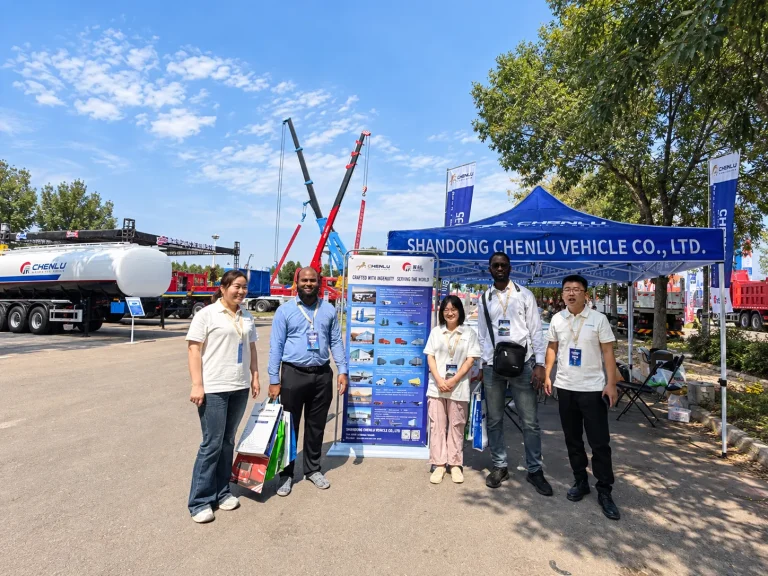
وبصفتنا شركة مصنعة لشبه المقطورات في الصين، فإننا نعمل مع مالكي الأساطيل ومشغلي الخدمات اللوجستية وشركات البناء والتعدين وشركات نقل البضائع السائبة ومزودي نقل الوقود والأسمنت ومقاولي المعدات الثقيلة والمستوردين والموزعين ومقاولي المشاريع. في هذا السوق, اختيار المقطورة المناسبة لا يتعلق بالسعر فقط. بل يتعلق الأمر بمطابقة المقطورة مع الوظيفة حتى يمكن تشغيل العمل بشكل أكثر أماناً وربحية.
ما الذي يجب أن تسحبه، وما نوع المقطورة الأنسب له؟
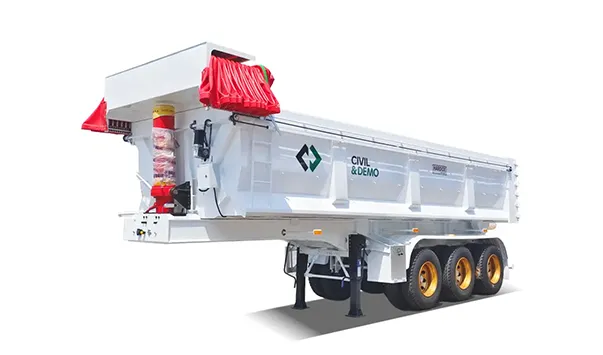
السؤال الأول بسيط: ما الذي تحتاج إلى نقله؟ تحدد الإجابة نوع المقطورة بشكل أسرع بكثير من أي كتيب. إذا كنت تقوم بنقل المنصات والأدوات والبضائع المعبأة، فقد تكون مقطورة الشحن أو المقطورة المغلقة أفضل. أما إذا كنت تنقل مركبات، فقد تكون مقطورة نقل السيارات أو مقطورة السيارات أفضل. إذا كنت تنقل الحصى أو الرمل أو نفايات الهدم، فقد تكون المقطورة القلابة أكثر منطقية. أما إذا كنت تنقل آلات كبيرة الحجم، فقد تحتاج إلى مقطورة معدات أو مقطورة معدات أو مقطورة ذات رأس منحنية أو نصف مقطورة للخدمة الشاقة.
يوضح دليل CURT للمقطورات كيف تتنوع فئات المقطورات حسب الغرض، مع وجود أنواع مثل مقطورات السيارات، ومقطورات البضائع، والمقطورات القلابة، والمقطورات المغلقة، ومقطورات السحب المغلقة، ومقطورات السحب المصدودة، والمقطورات ذات العجلات الخامسة، وكلها مصممة لاستخدامات مختلفة ومركبات القطر.
يساعدك مخطط سريع لمطابقة المقطورة:
| ما تسحبه |
اختيار أفضل مقطورة أفضل |
لماذا |
| السيارات، وسيارات الدفع الرباعي، والمركبات الخفيفة |
عربة نقل السيارات/مقطورة السيارة |
مصممة للمركبات والتحميل المنحدر |
| الأدوات والصناديق والمعدات |
مقطورة شحن البضائع/مقطورة مغلقة |
حماية أفضل ضد الطقس والسرقة |
| معدات الحديقة، حمولات مختلطة |
مقطورة المرافق |
مرنة وسهلة التحميل |
| الحفارات والقواطر الانزلاقية |
مقطورة المعدات/المقطورة ذات الرأس المنحنية |
هيكل أقوى وتحميل أسهل |
| الرمل والحصى والنفايات |
مقطورة التفريغ |
تفريغ سريع بالتفريغ الهيدروليكي بالقلب الهيدروليكي |
| الأسمنت السائب والوقود |
مقطورة صهريج أو مقطورة السوائب المتخصصة |
مصممة للبضائع القابلة للتدفق |
| السكن في المقطورة أو التخييم |
مقطورة السفر/لعبة النقل المقطورة |
مصممة للإشغال والتخزين |
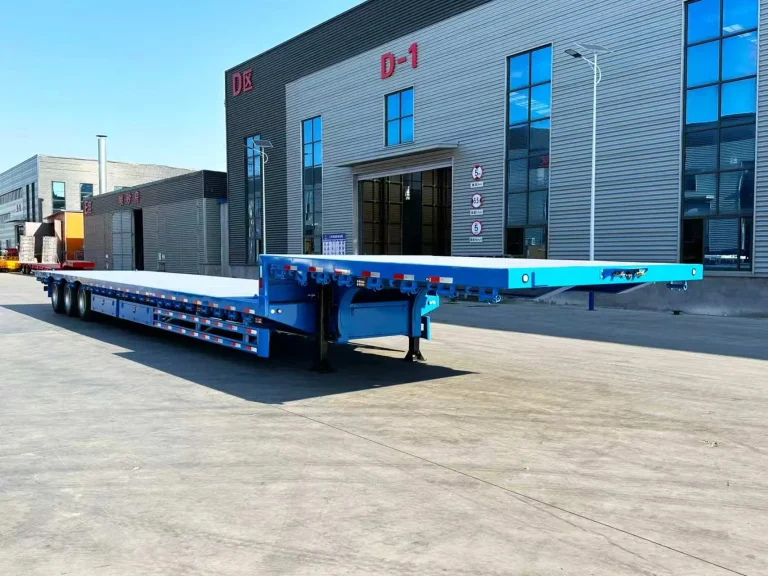
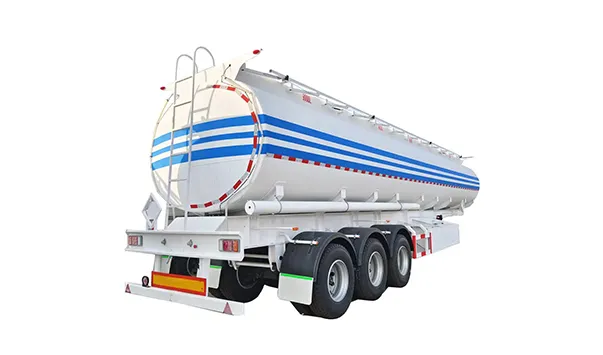
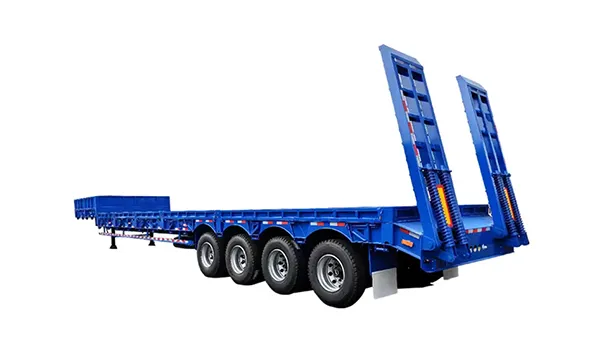
إذا كنت تعمل في مجال النقل التجاري، تنطبق نفس القاعدة على نطاق أوسع. مقطورات نصف مقطورة مسطحة, والمقطورات المنخفضة، والمقطورات الصهريجية، والمقطورات القلابة، و هيكل الحاوية كلها موجودة لأن أنواع البضائع المختلفة تحتاج إلى هياكل مقطورات مختلفة.
كيف يؤثر وزن المقطورة وعدد المحاور وتصنيفات السحب على اختيارك؟
الخطوة التالية هي الوزن. تبدأ العديد من مشاكل المقطورة لأن المشتري ينظر فقط إلى حجم سطح المقطورة وينسى الوزن الفعلي للمقطورة والحمولة وحدود القطر. تنص إرشادات NHTSA على ضرورة معرفة وزن المقطورة المحملة بالكامل، وليس فقط الوزن الجاف، ومقارنته مع تصنيف القطر للمركبة ونظام وصلة الجر.
وهنا تكمن أهمية مصطلحات مثل GVWR و GCWR و GAWR. GVWR هو أقصى وزن يمكن أن تتحمله المقطورة بأمان. أما GCWR فهو الوزن الإجمالي المسموح به لمركبة القطر والمقطورة والركاب والوقود والحمولة مجتمعة. يشير GAWR إلى مقدار الوزن الذي يمكن أن يحمله محور واحد. تحدد NHTSA هذه التصنيفات على وجه التحديد كعوامل رئيسية في القطر الآمن واختيار المقطورة.
تشير شركة PJ Trailers Canada أيضاً إلى أنه عند اختيار المقطورة، يجب على المشترين مقارنة سعة قطر الشاحنة مع الحمولة الإجمالية للمقطورة والتأكد من أن الإطار والمحور وسعة الإطارات تدعم جميعها الحمولة المقصودة.
هذا الأمر مهم بشكل خاص للأشخاص الذين يقومون بالقطر بسيارة جيب، أو سيارة دفع رباعي، أو غراند شيروكي، أو بيك آب من فئة 3500. قد تتعامل شاحنة من فئة 3500 مع شاحنة نقل أو شاحنة ذات رأس منحنية أكبر بكثير من شاحنة القطر الأصغر حجماً، ولكن حتى في هذه الحالة يجب أن تبقى المقطورة المحملة بالكامل ضمن الحدود القانونية والميكانيكية.
هل يجب عليك اختيار مقطورة ذات محور واحد أم مقطورة ذات محورين؟
يغير إعداد المحور السعة والقيادة والصيانة وسلوك القطر. تعتبر المقطورة ذات المحور الواحد أبسط وأخف وزناً، وغالباً ما تكون أرخص. يمكن أن تكون مناسبة للمقطورات الأصغر حجماً والبضائع الأخف وزناً والاستخدام المحلي. عادةً ما توفر المقطورة ذات المحور المزدوج ثباتاً أفضل، وتصنيفاً أعلى للحمولة، ودعماً أقوى للأحمال الكبيرة.
من الناحية العملية، قد تكون المقطورة الصغيرة ذات المحور الواحد أو المقطورة ذات المحور الواحد مناسبة لمالك المنزل أو منسق الحدائق الذي ينقل معدات خفيفة الوزن. غالباً ما تكون المقطورة ذات المحور الترادفي أو المزدوج أفضل لمقطورة السيارات أو مقطورة المعدات أو مقطورة البضائع التي تحمل حمولات أثقل لمسافات أطول.
يفترض بعض المشترين أن المقطورات الأصغر حجماً أسهل دائماً. وهذا ليس صحيحاً دائماً. إذا كانت الحمولة قريبة من الحد الأعلى من التصنيف، فقد تكون المقطورة ذات المحور المزدوج هي الخيار الأكثر أماناً وثباتاً. كما أنها توفر دعماً أكبر في حال تعطل أحد الإطارات أثناء النقل.
| إعداد المحور |
أفضل استخدام |
الفائدة الرئيسية |
القيد الرئيسي |
| محور واحد |
مقطورات صغيرة، حمولات خفيفة |
تكلفة أقل، ووزن أقل |
سعة أقل |
| محور مزدوج |
السيارات، والمعدات، والبضائع الثقيلة |
ثبات أفضل ودعم أفضل للحمل |
تكلفة أعلى والمزيد من الإطارات |
| محور ثلاثي |
المقطورات التجارية الثقيلة |
دعم الحمولة الأعلى |
المزيد من التعقيد |
متى تكون عربة نقل السيارات أو مقطورة السيارات هي الخيار الأفضل؟
تُعد مقطورة نقل السيارات أفضل مقطورة عندما تكون الحمولة عبارة عن سيارة. ويشمل ذلك سيارات السيدان، وسيارات الدفع الرباعي، والمركبات المخصصة للطرق الوعرة، والشاحنات الخفيفة، ومخزون الوكلاء. تحتوي مقطورة السيارة عادةً على سطح مسطح أو مرتفع قليلاً مع منحدر في الخلف، مما يسهل تحميل السيارة على المقطورة.
يُعرِّف دليل CURT مقطورة السيارة بأنها مقطورة ذات سرير مقطورة مسطح ومنحدرات في الخلف، وتُستخدم عادةً لنقل السيارات. ويجمع دليل طراز PJ أيضاً بين مقطورات نقل السيارات والمعدات معاً، مما يدل على أن المشترين غالباً ما يقارنون بين هاتين العائلتين من المقطورات عند نقل المركبات أو الآلات.
إذا كنت ترغب في شراء سيارة نقل، فكّر في هذه الأسئلة أولاً:
- كم يبلغ وزن السيارة؟
- هل ستفرغ الحمولة بشكل متكرر؟
- هل تحتاج إلى سطح خشبي أو سطح مسطح؟
- هل تحتاج إلى مصدات قوية بما يكفي للدوس عليها؟
- هل الحمولة سيارة رياضية منخفضة الخلوص قد تحتاج إلى مقطورة ذات سرير مائل؟
- هل تدعم مركبة القطر مكابح المقطورة؟
قد تكون مقطورة نقل السيارات المفتوحة البسيطة مناسبة للنقل العام للسيارات. إذا كانت السيارة ذات قيمة عالية أو حساسة للطقس أو جزء من أعمال رياضة السيارات، فقد تكون المقطورة المغلقة أفضل.

مقطورة نقل السيارات
هل يجب عليك اختيار مقطورة بضائع، أم مقطورة مغلقة، أم مقطورة متعددة الاستخدامات؟
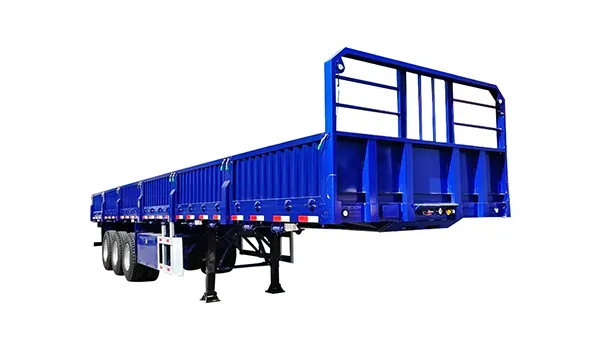
مقطورة البضائع هي الأفضل عندما تحتاج إلى الحماية. مقطورة الخدمات هي الأفضل عندما تريد المرونة والوصول السريع. أما المقطورة المغلقة فهي الأفضل عندما تحتاج الحمولة إلى الحماية من الطقس والغبار والسرقة.
وتصف CURT مقطورة البضائع بأنها مقطورة غالباً ما تحتوي على جدران وسقف لحماية البضائع، بينما توفر المقطورة المغلقة هيكلاً مغلقاً بالكامل لتوفير حماية إضافية. كما يصف دليلها أيضاً الطرازات ذات الطراز المفتوح بأنها أسهل لتحميل الأغراض الكبيرة أو غير الملائمة.
يعود هذا القرار عادةً إلى كيفية استخدام المقطورة:
| خيار المقطورة |
الأفضل لـ |
لماذا |
| مقطورة المرافق |
أدوات الحديقة، وأحمال مواقع العمل المختلطة، والشحنات المفتوحة |
سهولة التحميل من جميع الجهات |
| مقطورة الشحن |
الصناديق والأدوات والمعدات |
محمية ومتعددة الاستخدامات |
| مقطورة مغلقة |
حمولة عالية القيمة وحماية من الطقس |
أمان أفضل |
| مقطورة مغلقة الأنف على شكل V |
ديناميكية هوائية أفضل وتخزين أمامي أفضل |
شائع للنقل المدمج المغلق المدمج |
يمكن أن يساعد تصميم الأنف على شكل حرف V في توفير مساحة أمامية وتدفق الهواء. يحب بعض المشترين أبواب الحظيرة للوصول السهل إلى الخلف. ويفضل آخرون الأبواب المنحدرة لنقل البضائع المتدحرجة. يجب أن تتطابق المقطورة التي سيتم استخدامها كل يوم مع نمط التحميل الحقيقي، وليس فقط المظهر.
متى تكون المقطورة ذات العنق المنحنية أكثر منطقية من مقطورة السحب على المصد؟
تكون المقطورة ذات الرأس المنحنية أكثر منطقية عندما تكون الحمولة أثقل، أو عندما تكون المقطورة أكبر، أو عندما يكون الثبات أكثر أهمية. تشرح NHTSA أن العجلات ذات العجلات الخامسة والعجلات ذات الرأس المنحنية تضع نقطة التوصيل في منتصف سرير الشاحنة، مما يغير من كيفية حمل الوزن مقارنةً بالمصد العادي أو جهاز الاستقبال.
بالنسبة للأعمال الشاقة، يمكن أن يحسن ذلك من توزيع الوزن والتحكم في القطر. غالباً ما تكون المقطورة ذات الرأس المنحنية هي الخيار الأفضل للمعدات الأكبر حجماً والمقطورات الأطول والمهام الأكثر تطلباً. وهذا هو السبب في أن العديد من المشترين التجاريين يفضلون المقطورات ذات العنق المنحنية للآلات ونقل الأعمال الثقيلة في مواقع العمل.
لا يزال لمقطورة السحب بالصادم مكانها. فهي أسهل بالنسبة لبعض المستخدمين، وتتناسب مع المزيد من أنواع مركبات القطر، وتناسب العديد من المقطورات الصغيرة. ولكن بالنسبة لنقل المعدات الثقيلة، فإن المقطورة ذات الرأس المنحنية غالباً ما توفر إعداداً شاملاً أقوى. إذا كنت تقوم بنقل معدات ثقيلة أو مقطورات انزلاقية أو قطع متعددة من المعدات، فإن هذا الأمر مهم.

مقطورة معقوفة معقوفة
كيف يغير نمط المنحدر، وتصميم المقطورة المائلة، وطريقة التحميل من القرار؟
غالباً ما يتم تحديد أفضل مقطورة من خلال طريقة التحميل. فالمقطورة التي تبدو مثالية على الورق قد تصبح محبطة إذا لم تتمكن من تحميل الحمولة بسرعة أو بأمان. إن المنحدر الخلفي، أو البوابة ذات العرض الكامل، أو الميل الهيدروليكي، أو الذيل المائل، أو العنق القابل للفصل، كلها تغير من مدى سهولة استخدام المقطورة.
يوضح دليل طرازات PJ أن المقطورات المائلة متوفرة في العديد من تنسيقات GVWR، وارتفاع سطح المقطورة، وقارنات التوصيل، بما في ذلك إعدادات السحب على المصدّ، وذات الرأس المنحنية والرافعة ذات الرأس المنحنية والرافعة ذات الرأس المتحركة، مما يعكس كيفية تشكيل احتياجات التحميل لتصميم المقطورة.
تُعد المقطورة ذات السرير المائل مفيدة عندما تريد تحميل وتفريغ أسهل دون حمل منحدرات منفصلة. يمكن أن يكون ذلك مفيداً للمركبات ذات الخلوص المنخفض، أو المعدات المدمجة، أو المهام اليومية المتكررة. A مقطورة تفريغ قد تتضمن أيضًا منحدرات لأن المشترين يقومون أحيانًا بتحميل المعدات بالإضافة إلى المواد السائبة. حتى أن دليل التفريغ الخاص بـ PJ يشير إلى أن المنحدرات تزيد من تعدد الاستخدامات للعديد من المستخدمين.
إذا كانت عمليتك تهتم بسهولة التحميل والتفريغ، فلا تتعامل مع المنحدر أو زاوية السطح كتفصيل صغير. فقد تكون السبب في أن إحدى المقطورات تعمل بشكل أفضل بكثير من الأخرى.
ما الذي يجب عليك فحص المكابح وإعدادات وصلة الجر ومعدات السلامة؟
تعتبر المكابح وإعداد وصلة الجر من الأمور الأساسية، لكن العديد من المشترين يتجاهلونها حتى وقت متأخر. تقول NHTSA إن اختيار نظام المكابح يعتمد على مركبة القطر ووزن المقطورة المحملة بالكامل، وتشير إلى أنه بالنسبة للمقطورة التي يزيد وزنها عن 1500 رطل، تتطلب العديد من الولايات نظام مكابح منفصل ومفتاح انفصال. كما يميز أيضاً بين مكابح المقطورة التي يتم التحكم بها إلكترونياً والأنظمة الأخرى.
وتنص أيضاً على ضرورة مطابقة نظام وصلة الربط مع المقطورة والمركبة، وأن سلاسل الأمان يجب أن تعبر تحت لسان المقطورة مع وجود ارتخاء كافٍ للانعطافات ولكن ليس لدرجة أنها تسحبها.
وتضيف الهيئة الأمريكية للأسماك والحياة البرية أنه عندما تكون المقطورة متوازنة بشكل صحيح، يجب أن يستقر حوالي 10-15% من الوزن الإجمالي للمقطورة على عجلة القيادة، ويجب أن تبقى الأشياء الأثقل وزناً منخفضة لتحقيق ثبات أفضل. كما تقول أيضاً أنه يجب أن تتوافق المقطورات مع المتطلبات المحلية للمكابح وأنظمة الانفصال.
عناصر السلامة الرئيسية التي يجب التحقق منها:
- تصنيف وصلة التوصيل
- تطابق المقرنة
- مكابح المقطورة
- مكابح كهربائية وأسلاك إذا لزم الأمر
- مفتاح الانفصال
- سلاسل الأمان
- الأضواء ومصابيح LED
- حالة الإطارات
- الإطار الاحتياطي
- وزن اللسان
- لسان المقطورة وحالة الإطار
- التحكم في التأرجح أو وصلة توزيع التأرجح إذا كان الإعداد يحتاج إلى ذلك
بالنسبة للبضائع التجارية، تتطلب قواعد FMCSA أيضًا أن تكون البضائع مثبتة بإحكام أو مؤمنة بإحكام باستخدام هياكل أو أربطة أو أغطية أو وسائل مماثلة، ويجب أن تكون جميع أجهزة التثبيت في حالة عمل سليمة.
هل من الأفضل شراء مقطورة جديدة أم شراء مقطورة مستعملة؟
توفر المقطورة الجديدة حالة أنظف ودعم ضمان وتاريخ معروف. قد تكون المقطورة المستعملة أقل تكلفة، لكنها تجلب المزيد من مخاطر الفحص. يعتمد الخيار الأفضل على الميزانية والحاجة الملحة ومدى صعوبة عمل المقطورة.
إذا كنت ترغب في شراء مقطورة مستعملة، افحص هذه النقاط بعناية:
تشققات الإطار
الصدأ والتآكل
حالة الأرضية، خاصةً السطح الخشبي
تآكل المحور والزنبرك
عمر الإطارات
وظيفة المكابح
محاذاة المنحدر
الأسلاك الخفيفة
تآكل المقرنة
عوارض عرضية مثنية
تلف العقبة
بالنسبة للمقطورة الأولى، قد تبدو الوحدة المستعملة طريقة سهلة لتوفير المال. ولكن بالنسبة للاستخدام التجاري المنتظم، غالباً ما يكلف وقت التعطل أكثر من سعر الشراء. قد تتحول المقطورة المستعملة الضعيفة بسرعة إلى مشروع إصلاح مكلف.
بالنسبة لمشتري الأساطيل والمستوردين ومقاولي المشاريع، عادةً ما توفر حلول المقطورات المصنّعة في المصنع مع المكونات القياسية وخيارات التخصيص قيمة أكبر على المدى الطويل من البحث عن أرخص مقطورة في السوق.
الأسئلة الشائعة حول اختيار المقطورة المناسبة
كيف أختار المقطورة المناسبة؟
اختر المقطورة المناسبة من خلال البدء بالحمولة. تحقق من الحمولة التي تحتاج إلى نقلها ووزنها وكيفية تحميلها ومركبة القطر التي لديك. ثم قم بمطابقة نوع المقطورة وعدد المحاور ونمط وصلة الجر ونظام المكابح مع هذه المهمة.
هل المقطورة ذات المحور الواحد أم ذات المحور المزدوج أفضل؟
المقطورة ذات المحور الواحد مناسبة للحمولات الأصغر والأخف وزناً. أما المقطورة ذات المحور المزدوج فهي أفضل للحمولات الأثقل وزناً، والمزيد من الثبات، والقطر لمسافات أطول.
ما هي أفضل مقطورة لنقل سيارة؟
عادةً ما تكون مقطورة نقل السيارات أو مقطورة السيارة هي الخيار الأفضل لأنها مصممة لتحميل السيارات مع منحدرات أو ميزات الإمالة. إذا كنت بحاجة إلى حماية من الطقس، فاختر مقطورة مغلقة.
متى يجب أن أختار مقطورة مغلقة؟
اختر المقطورة المغلقة عندما تحتاج الحمولة إلى الحماية من الطقس أو السرقة أو الغبار أو حطام الطريق. كما أنها مفيدة أيضاً عندما تستخدم المقطورة كمساحة عمل متنقلة أو وحدة تخزين أدوات متنقلة.
هل المقطورة ذات الرأس المنحنية أفضل من المقطورة ذات المصد؟
بالنسبة للحمولات الأثقل والمقطورات الأكبر حجماً، غالباً ما توفر المقطورة ذات العنق المنحنية ثباتاً وتوزيعاً أفضل للوزن. لا يزال السحب بالصادم عملياً للعديد من المقطورات الأصغر حجماً ومهام القطر الأخف وزناً.
ما مقدار وزن اللسان الذي يجب أن يكون على المقطورة؟
عادةً ما تضع المقطورة المتوازنة بشكل صحيح حوالي 10-15% من إجمالي وزن الحمولة على وصلة الجر. يمكن أن يؤدي الوزن القليل جداً على اللسان إلى زيادة التأرجح، ويمكن أن يؤدي الوزن الزائد إلى زيادة الحمولة على عربة القطر.
هل أحتاج إلى مكابح مقطورة؟
غالباً ما تكون الإجابة بنعم، خاصة في المقطورات الأثقل وزناً. تشير NHTSA إلى أن العديد من الولايات تتطلب نظام كبح منفصل ومفتاح انفصال للمقطورات المحملة التي تزيد عن 1500 رطل.
النقاط الرئيسية
تبدأ المقطورة الصحيحة من الحمولة وليس من الكتالوج.
قارن دائماً بين وزن المقطورة المحملة بالكامل مع تصنيف مركبة القطر وتصنيف وصلة الجر وحدود المحور.
تناسب المقطورات ذات المحور الواحد الأعمال الأخف وزناً، بينما تناسب المقطورات ذات المحور المزدوج النقل الأثقل والأكثر ثباتاً.
تُعد مقطورة نقل السيارات الأفضل للمركبات، في حين أن مقطورة البضائع أو المقطورة المغلقة أفضل للشحنات المحمية.
وغالباً ما تكون المقطورة ذات الرأس المنحنية أكثر ملاءمة للحمولات الأثقل وتجهيزات المقطورات الأكبر حجماً.
يمكن أن يؤدي تصميم المنحدر، والأسرّة المائلة، وطريقة التحميل إلى تغيير قرار الشراء بالكامل.
يعد الوزن المناسب للسان اللسان والمكابح وسلاسل الأمان وتثبيت الحمولة من الأمور الضرورية لسلامة القطر.
يمكن أن توفر المقطورة المستعملة المال مقدماً، ولكن قد يؤدي التآكل الخفي إلى زيادة التكلفة لاحقاً.
بالنسبة لمشتري الأعمال التجارية، فإن أفضل مقطورة هي تلك التي تحسن من وقت التشغيل، والسلامة، وكفاءة التشغيل اليومي.



 20 أبريل 2026